

REVIEW · MIAMI
Deering Estate Admission
South Florida goes quiet here. With Deering Estate general admission, you tour the Historic House Museum and then roam the property at your own pace. I especially like how the visit blends Charles Deering’s story with outdoor time—plus that Mangrove Boardwalk feel like a mini reset.
Two things I really like: the mix of indoor learning and easy strolling outdoors, and the chance to sit with a picnic view over Biscayne Bay. You can also take in the estate’s place in Miami-Dade County as one of its Heritage Parks, while walking through nature that actually has wildlife and breathing room.
One consideration: the Stone House is currently closed for restoration. If you were hoping for every building on the grounds, plan around that.
In This Review
- Key highlights you’ll notice fast
- Deering Estate admission: what you get for $19.26
- Inside the Historic House Museum and Charles Deering’s world
- Mangrove Boardwalk: the ecosystem walk you’ll remember
- Self-guided nature trails: flexible pacing beats a strict tour
- Biscayne Bay picnic views under royal palms
- How long it takes, and how to pace it like a pro
- Planning your visit: tickets, language, and the Stone House closure
- Who should book Deering Estate admission in Miami?
- Should you book this Deering Estate admission?
- FAQ
- What does Deering Estate admission cost?
- How long does the visit take?
- When is Deering Estate open?
- What’s included with the admission ticket?
- Is the ticket mobile?
- What language is the experience offered in?
- Is the Stone House open?
- Are service animals allowed?
- What is the cancellation policy?
Key highlights you’ll notice fast

- Historic House Museum with context on Charles Deering and the estate’s Indigenous connections
- Self-guided nature trails for flexible pacing (slow wander or quick loop)
- Mangrove Boardwalk for a distinct ecosystem and wildlife spotting opportunities
- Picnic-friendly setting under royal palm trees with quiet Biscayne Bay views
- Short visit window (about 1–2 hours) that fits easily into a Miami day
Still deciding? Line this one up against a few Miami favourites first.
- Little Havana Food and Walking Tour in Miami
★ 5.0 · 8,882 reviews - From Miami: Everglades Airboat, Wildlife Show & Bus Transfer
★ 4.2 · 8,622 reviews - Miami: Biscayne Bay Millionaire’s Homes Sightseeing Cruise
★ 4.5 · 7,348 reviews - Miami: Everglades National Park Airboat Tour & Wildlife Show
★ 4.5 · 7,296 reviews
Deering Estate admission: what you get for $19.26
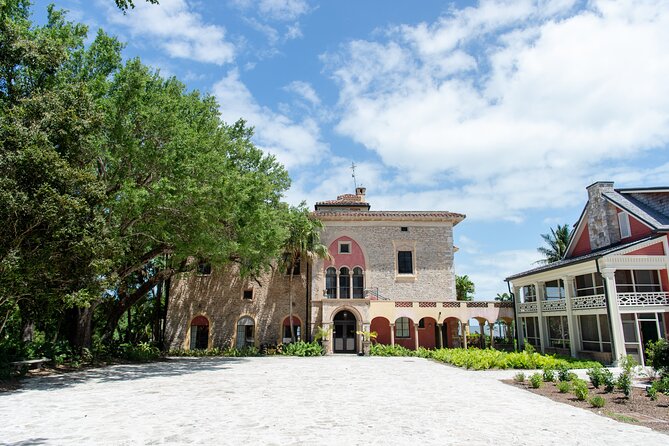
For the price of $19.26 per person, you’re buying general admission to a place that works on two levels: cultural history and peaceful nature time. The big value is that you’re not stuck on a rigid route. You can take the museum portion, then spend as long as you want walking trails and using the boardwalk.
This experience runs about 1–2 hours, which is perfect when you want something meaningful but not an all-day commitment. It also means you can pair it with other nearby Miami activities without scrambling your schedule.
A few practical notes before you go: you’ll have a mobile ticket, the offering is in English, and you’ll receive confirmation at booking time. The site is open daily from 10:00 AM to 4:00 PM during the listed date range (07/23/2025–11/25/2026).
Inside the Historic House Museum and Charles Deering’s world
The Historic House Museum is the heart of the cultural side of the visit. You’ll learn about Charles Deering’s life and how the estate connects to South Florida’s Indigenous cultures and Miami’s larger story.
The way this works in practice is simple: you get a structured museum stop, then you transition outside. That’s a good balance for your brain—indoors gives you context, and outdoors gives you a place to slow down and digest it.
Also, don’t ignore the quieter learning moments. In a house museum setting, you often pick up details that make the person behind the property feel more real. Then, when you step outside, the estate isn’t just pretty land—it’s tied to people, place, and time.
One more thing: it’s listed on the National Register of Historic Places and recognized as a Miami-Dade County Heritage Park. That matters because you’re not visiting a random attraction. You’re walking through a protected site with an educational purpose.
Mangrove Boardwalk: the ecosystem walk you’ll remember
Once you head out, the property shifts from “museum visit” to “nature time.” The Mangrove Boardwalk is a key reason to come, because mangroves aren’t just scenic—they’re functional habitat with a different feel than typical park trails.
You’ll stroll along a path that highlights a unique ecosystem and gives you a chance to spot diverse wildlife. Even if you’re not a hardcore bird-and-bug person, the boardwalk format tends to keep your attention. You can’t speed past it; the setting encourages slower observation.
This is also where the experience starts to feel like a genuine pause in Miami’s energy. With a boardwalk, you’re usually moving steadily but not hurrying—so you can actually notice small things: the way the water looks, how the air feels, and how the vegetation frames the view.
Self-guided nature trails: flexible pacing beats a strict tour

After the museum, you’ll be exploring at your own pace through self-guided nature trails. That flexibility is more valuable than it sounds. If you prefer a quick pass, you can do it. If you like lingering, you can linger without feeling guilty or rushed.
This setup also lets you match your visit to your day. Maybe you want to concentrate on indoor exhibits first, then walk it off outside. Or maybe you want to start outdoors and treat the museum like the last chapter after your eyes adjust to the grounds.
The trails also make the “why” of the estate feel more immediate. Learning about an Indigenous presence or the estate’s South Florida ties makes more sense when you’re actually walking through the environment those stories belong to. You don’t need extra narration to get the connection—you just need time.
Tip: give yourself a comfortable walking pace and make footwear a priority. One piece of advice that fits perfectly here is simple: wear shoes that can handle property walking without pain.


Biscayne Bay picnic views under royal palms
One of the easiest ways to make your visit feel special is the suggested picnic. Bring a picnic and enjoy time outdoors among the royal palm trees overlooking quiet waters of Biscayne Bay.
This is a smart “value add,” because it turns a short admission into a full-feeling break. In about an hour or two, you’re not only seeing the estate—you’re also resetting your afternoon with a calmer rhythm.
If you’re deciding whether to bring food, here’s the practical take: a picnic helps you stretch the value of the admission price. Instead of walking, leaving, and moving on, you get to sit, look, and absorb the setting at a human pace.
And yes, it’s a pleasant change from the usual Miami model of “eat fast, rush to the next stop.” Here, the property is built for slowing down.
How long it takes, and how to pace it like a pro

With 1–2 hours as the approximate duration, your best strategy is to plan for a two-part visit:
- Museum first (so you get the context while you’re still in “learning mode”)
- Then outdoors (so you can shift into wandering and photos and rest)
If you only have time for a fast version, you can still make it work. Take in the museum, walk the Mangrove Boardwalk, then do a quick sweep of the trails.
If you have a bit more time, the “sweet spot” is giving outdoors the majority of the clock. The boardwalk and trails are where the experience becomes breathable and quiet, and that’s hard to fake with a rushed schedule.
Also, try to arrive with enough time to enjoy the property in daylight. The open hours are limited to 10:00 AM–4:00 PM, so plan your entry accordingly. If you come too late, you’ll feel pressured instead of relaxed.
Planning your visit: tickets, language, and the Stone House closure
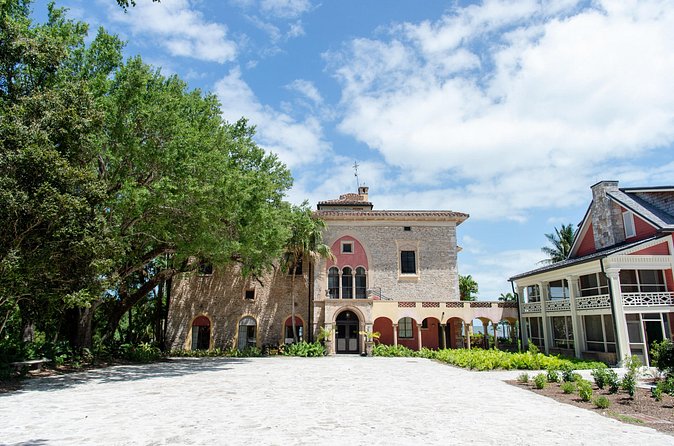
This experience includes admission to the estate, and your ticket is provided as a mobile ticket. It’s offered in English, which is handy if you want straightforward interpretation for the museum component.
You’ll also want to note the biggest “planning heads-up”: the Stone House is currently closed for restoration. That doesn’t stop the experience, but it can change what you expect to see. If your ideal visit includes every structure on site, you’ll need to adjust your expectations now and focus on what’s open—especially the Historic House Museum and the grounds.
Good news: service animals are allowed, and the experience is described as suitable for most travelers. That generally means you’re not dealing with a complicated set of restrictions for typical visitors, but you should still be ready for outdoor walking on property paths.
Finally, because this is typically booked about 12 days in advance on average, it’s wise to reserve ahead—especially if you’re visiting during a busy stretch of Miami travel.
Who should book Deering Estate admission in Miami?

This is a great fit if you want a Miami experience that feels calmer and more grounded than the usual “big city sprint.” If you like mixing history with outdoor time, you’ll appreciate how the estate shifts from museum learning to self-guided strolling.
It’s also ideal if:
- you prefer self-guided pace over group tours
- you want something that works in 1–2 hours
- you enjoy mangrove ecosystems, boardwalk walks, and wildlife spotting
- you’re planning a picnic-style break with Biscayne Bay views
If you’re looking for a fully guided, multi-stop program with lots of narration and constant movement, this may feel simpler than you hoped. The appeal here is the quiet property time—so lean into that mindset.
Should you book this Deering Estate admission?
I’d book it if you want a smart-value Miami stop where the ticket buys more than one kind of experience: museum context plus nature wandering. The Mangrove Boardwalk and the option to do a picnic make it feel like an actual afternoon, not just a quick ticket-and-go.
I would pause and reconsider only if you strongly care about seeing the Stone House specifically. Since it’s closed for restoration right now, your expectations should focus on the Historic House Museum, trails, and boardwalk.
Bottom line: if you’re the type who enjoys quiet places, easy walking, and learning without being trapped in a schedule, Deering Estate admission is an excellent use of a half day in Miami.
FAQ
What does Deering Estate admission cost?
Admission is listed at $19.26 per person.
How long does the visit take?
The experience duration is approximately 1 to 2 hours.
When is Deering Estate open?
The listed opening hours are Monday through Sunday, 10:00 AM to 4:00 PM, during 07/23/2025–11/25/2026.
What’s included with the admission ticket?
Your admission includes entry to the Historic House Museum and access to self-guided nature trails, including the Mangrove Boardwalk.
Is the ticket mobile?
Yes. You get a mobile ticket.
What language is the experience offered in?
It is offered in English.
Is the Stone House open?
No. The Stone House is currently closed for restoration.
Are service animals allowed?
Yes, service animals are allowed.
What is the cancellation policy?
You can cancel for a full refund if you cancel up to 24 hours in advance of the experience’s start time. If you cancel less than 24 hours before the start time, the amount paid is not refunded.
More Tour Reviews in Miami
- Little Havana Food and Walking Tour in Miami
★ 5.0 · 8,882 reviews - From Miami: Everglades Airboat, Wildlife Show & Bus Transfer
★ 4.2 · 8,622 reviews - Miami: Biscayne Bay Millionaire’s Homes Sightseeing Cruise
★ 4.5 · 7,348 reviews - Miami: Everglades National Park Airboat Tour & Wildlife Show
★ 4.5 · 7,296 reviews - Miami: Hop-on Hop-off Open-top Bus Tour and Optional Cruise
★ 4.1 · 3,077 reviews