
REVIEW · EVERGLADES NATIONAL PARK TOURS
Everglades: Birding, Wildlife, and Photography Expedition
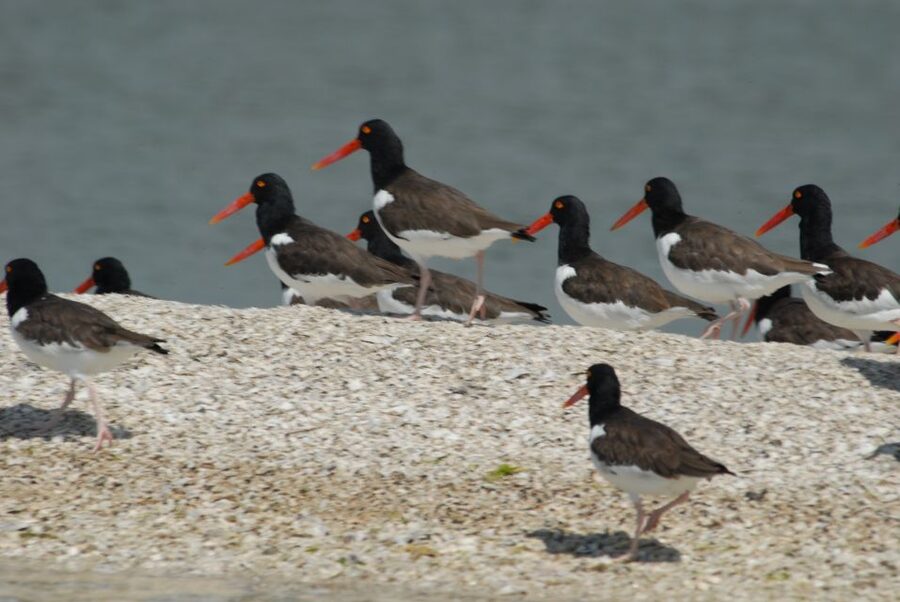
Birds can fill your view fast. This Everglades boat-and-walk expedition out of Chokoloskee is built for birding and wildlife photography, with a Florida Master Naturalist guide and a stable platform that supports tripods.
Two things I like a lot are the tripod-friendly boat and the uninhabited barrier-island walk. From the water, you’re positioned for birds in their own habitat, and when the boat lands, you get a different angle on the ecosystem right where it’s happening.
One practical consideration: food and beverages aren’t included, so plan to bring water and a light snack if you’ll need it for the full outing.
In This Review
- Key things that make this Everglades birding and photo trip special
- Touring the Everglades from Chokoloskee: The 10,000-island boat ride
- What you’ll look for on the boat
- A Florida Master Naturalist guide: Facts, habitat, and real-world context
- The barrier island landing: Close-up viewing away from people
- Photo-gear reality check: Why the boat matters for telephoto lenses
- Wildlife sightings: What’s on the list, and how to think about “chances”
- 210 minutes on the water: Pace, timing, and weather comfort
- Where the $172 price fits: Value beyond the boat ride
- Getting to Parkway Marina and boarding smoothly
- Should you book this Everglades birding, wildlife, and photography expedition?
- FAQ
- How long is the Everglades birding, wildlife, and photography expedition?
- Where do I meet the group?
- How big is the group?
- Is this tour good for photography with a tripod and long lenses?
- Are food and beverages included?
- When is the best time to go during the summer months?
- What animals and birds does the guide look for?
Key things that make this Everglades birding and photo trip special
- Small group cap (6 people) keeps the pace flexible, especially when you spot something worth slowing down for
- Large, stable boat with tripod space makes long-lens bird photography more workable
- Florida Master Naturalist guide (US Coast Guard licensed) turns sightings into clear takeaways about habitat and wildlife
- Two-part route: ride through the 10,000-island ecosystem, then step onto an uninhabited barrier island
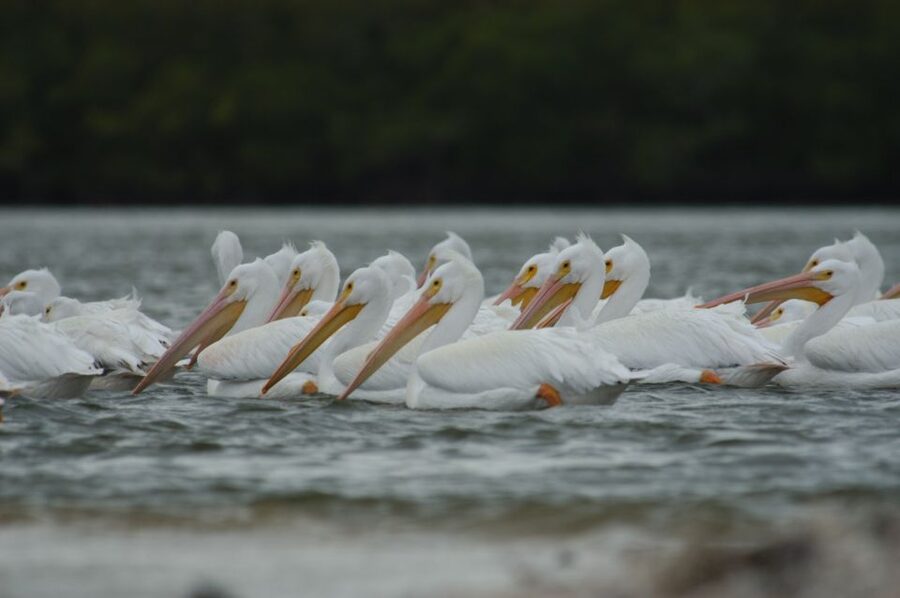
- Focused wildlife searching including spoonbills, osprey, herons, and more, plus dolphins, manatees, and sea turtles when conditions align
Touring the Everglades from Chokoloskee: The 10,000-island boat ride
This tour runs on the Gulf side from Chokoloskee, using a steady boat to work the Everglades’ “10,000 islands” ecosystem. That phrase can sound dramatic, but the point is practical: you’re moving through lots of narrow channels and scattered land, which tends to create frequent chances to spot birds and sea life.
You’ll spend the first stretch cruising at an unhurried pace, watching for raptors and wading birds along shorelines and in shallow waters. The boat platform is designed for wildlife watching, so you’re not constantly shifting seats or fighting for a view. In the best moments, you’ll see birds flying in and out of the frame while the guide tracks what’s feeding, nesting, or roosting nearby.
This part of the trip is also where the marine sightings can pop: dolphins have been seen playing around the boat wake, and manatees and sea turtles are on the guide’s look-list. If you care about photography, this “stay out on the water” phase is often where your shots become easier, because the boat setup helps you keep the camera steady.
What you’ll look for on the boat
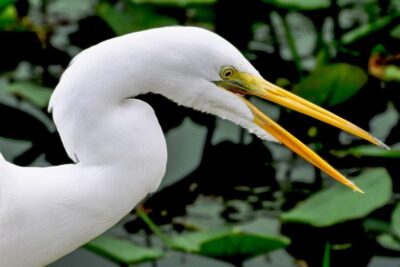
The guide is actively hunting for species such as roseate spoonbills, osprey, ibis, great blue herons, tri-color herons, snowy egrets, shore birds, and bald eagles. You’re also on the lookout for dolphins, sea turtles, manatees, and other saltwater creatures.
A Florida Master Naturalist guide: Facts, habitat, and real-world context
What makes this expedition feel more than just sightseeing is the guide. You’ll travel with a Florida-certified Master Naturalist who’s licensed by the US Coast Guard. That matters because birding isn’t only about spotting; it’s about understanding what you’re seeing and why it’s there.
You’ll get help reading the environment—flora and fauna, plus how the ecosystem works. Guides also talk local history and culture tied to this region, which gives your photos and sightings more meaning. In past outings, guides such as Don, Dan, Seth, and Eddie have been praised for combining wildlife respect with a steady flow of details, including notes about mangroves and other habitat features.
Another small but important advantage: you can often shape the pace for photography. There’s been success with groups asking to slow down for nesting birds, so you’re not forced to rush past the moment your camera wants.
The barrier island landing: Close-up viewing away from people
The second half is the treat if you like your wildlife encounters a bit more hands-on. At some point, the captain brings the boat in and beaches it so you can walk on an uninhabited barrier island. This changes the whole feel. Instead of scanning from water-level, you’re now close to the plants, shoreline edges, and quiet spaces where birds can pause or move through.
On the walk, your Master Naturalist guide looks for photo opportunities and helps you notice the details most people miss. Based on past descriptions of this outing, you might spot things like shellfish and even traces of earlier inhabitants along the island. That kind of observation can be unexpectedly satisfying if you like learning as you go, not after the fact.
This part is also where the “eco” aspect becomes real. Even when there’s plenty of wildlife around, the island walk is quieter and more grounded. You get a sense of scale—how far the environment stretches, and how specific habitats host specific species.
Photo-gear reality check: Why the boat matters for telephoto lenses
If you’ve ever tried to photograph birds from an unstable platform, you already know why this tour is built the way it is. The boat is large and stable, and there’s space for a camera tripod. That’s the difference between shooting a sharp image versus fighting motion blur.
Bring your long lens if bird photography is your main goal. One straightforward piece of advice from a previous participant was to use a long telephoto lens for wildlife shots. The same goes for anything you want to capture at distance: you’ll be targeting birds and wildlife in their natural areas, not close-up in pens or feeders.
Practical tips you’ll thank yourself for: dress for the weather, add sun protection, and have a plan for quick camera access when birds suddenly appear. If you’re using a big lens, the tripod setup helps, but you’ll still want to keep your gear organized so you’re not fumbling when the guide calls your attention to a bird moving into view.
Wildlife sightings: What’s on the list, and how to think about “chances”
This is not a safari show. Your guide will search actively, but wildlife viewing has natural variability. The upside is that the tour is designed around habitats where birds and marine animals can show up repeatedly during a boat-and-walk route.
Here are examples from the tour’s look-list and past highlight moments:
- Birds to watch for: roseate spoonbills, osprey, ibis, great blue herons, tri-color herons, snowy egrets, shore birds, bald eagles
- Marine wildlife: dolphins, sea turtles, manatees, and other saltwater creatures
- Action that’s fun to photograph: dolphins jumping and playing near the boat in some conditions; nesting and fishing behavior when you go slow
If your goal is birds with behavior—flying, feeding, or nesting—this format can work better than random walking trails, because the guide can redirect you as sightings develop.
210 minutes on the water: Pace, timing, and weather comfort
The total time is about 210 minutes, which is roughly 3.5 hours. You can think of it as two steady blocks: a boat exploration first, then the barrier island walk. That length is long enough to get multiple sighting attempts, but short enough that you’re not stuck out in the elements all day.
Weather matters here. The guidance for June through October is to choose morning experiences when possible because of conditions during those months. Even if you book another time of day, plan as if it’ll be sunny and warm—bring sun protection and dress for the weather.
Pace is another variable you can control a bit. In past trips, people asked to slow down for photography, including for nesting birds like cormorants, and the outing adjusted to help those moments happen. On windy days, guides have also been known to personalize what’s possible—so don’t assume every trip feels identical.
Where the $172 price fits: Value beyond the boat ride
At $172 per person, the real question is what you’re paying for. You’re not just paying for “a boat tour.” You’re paying for a small group of up to 6, guided interpretation by a Florida Master Naturalist, and a boat that supports bird photography with tripod space and stability.
You’re also paying for a two-part format: time on the water through the Everglades’ island maze, plus a landing on an uninhabited barrier island. That combination can be hard to replicate on your own without specialized local knowledge.
The tradeoff is straightforward: there’s no food or beverages included. So factor in what you’ll want to drink and snack. If you’re a birder or photographer who values guidance, the price starts to look reasonable for a focused, habitat-based outing.
Getting to Parkway Marina and boarding smoothly
Meet at Parkway Marina, 1180 Chokoloskee Dr, Chokoloskee, FL 34138. Arrive 10–15 minutes early so you can park, use restrooms, and get settled. Parking goes on the right-hand side in the marked spots.
There are restrooms across from the Marina Store. When you arrive, meet your captain down by the docks, and you’ll board the boat about five minutes before departure. If you’re late, you can miss the tour, so build in extra time—this is the kind of trip where punctuality helps you start strong.
Should you book this Everglades birding, wildlife, and photography expedition?
Book it if you want an Everglades experience that’s photo-forward, not just a scenic cruise. The small group size, tripod-friendly boat setup, and barrier island landing make it especially attractive for birders and wildlife photographers. You’ll also get real interpretation from a Florida Master Naturalist guide, which helps you spot more than just what’s obvious.
Skip it (or choose a different style) if you expect food included, or if you dislike boat time plus walking on an island setting. And remember that wildlife viewing is never guaranteed; you’re increasing your odds by going with a guide who actively searches and knows how to read the habitat.
If you’re ready to plan around your camera and dress for the weather, this is a strong, practical way to see the Everglades up close.
FAQ
How long is the Everglades birding, wildlife, and photography expedition?
The tour lasts about 210 minutes, which is a little over 3.5 hours.
Where do I meet the group?
You meet at Parkway Marina at 1180 Chokoloskee Dr, Chokoloskee, FL 34138. Arrive 10–15 minutes early.
How big is the group?
The boat is limited to 6 passengers, so it stays small.
Is this tour good for photography with a tripod and long lenses?
Yes. The boat is stable and there is space for a camera tripod. You’re also encouraged to bring photography equipment, especially long telephoto lenses.
Are food and beverages included?
No. Food and beverages are not included, so you’ll want to bring water and snacks if you need them.
When is the best time to go during the summer months?
From June through October, morning experiences are recommended due to the weather.
What animals and birds does the guide look for?
The guide looks for birds like roseate spoonbills, osprey, ibis, great blue herons, tri-color herons, snowy egrets, shore birds, and bald eagles, plus animals such as dolphins, sea turtles, and manatees.
Everglades National Park Tours, compared.
 ★ 4.2From Miami: Everglades Airboat, Wildlife Show & Bus TransferFrom $498,622 reviews
 ★ 4.5Everglades National Park Airboat Tour & Wildlife ShowFrom $427,296 reviews
 ★ 4.5Everglades Small-Group Tour from Miami with TransportationFrom $822,657 reviews
 ★ 3.5Miami Combo: City Tour, Biscayne Bay Cruise and Everglades Airboat RideFrom $692,487 reviews
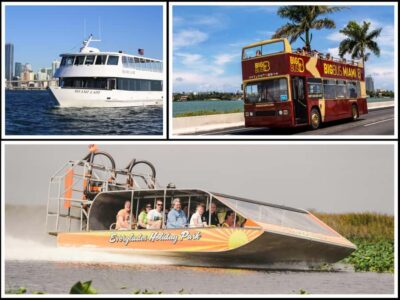 ★ 4.0Everglades Experience, Bay Cruise & Open-Top Bus TourFrom $801,918 reviews
 ★ 4.5Everglades Airboat, Wildlife Show, and Roundtrip Bus From MiamiFrom $491,886 reviews
 ★ 4.4Everglades Safari Park Airboat TourFrom $411,267 reviews
 ★ 4.560 min. Everglades Airboat ride & pick-up ,small group +pro guideFrom $781,252 reviews
Browse the lists this tour appears in