

REVIEW · SOUTH BEACH & ART DECO TOURS
Miami Beach: South Beach Room Escape – Panic Room
South Beach turns into a mystery lab in just one hour. I like the Mad Doctor theme for its dark-funny story energy, and I like that the game is built for teamwork under a ticking-clock challenge.
One thing to plan for: the puzzles can feel tougher than they look, and if you’re in a group that needs slower instructions, you may want to ask the host to repeat key steps.
In This Review
- Quick take: what makes this Panic Room special
- Finding the right door on South Beach (James Ave + 4th floor)
- The Mad Doctor mission: your uncle, the hallway whisper, the 60-minute panic
- Inside the rooms: how the challenge builds step by step
- Communication beats brute force during the 1-hour clock
- Rooftop lounge and rooftop games: why the extras matter
- Price and value: $35 for an hour of structured team fun
- Who should book this South Beach Panic Room—and who might not
- Team-building payoff: it’s not just puzzles, it’s roles
- A few practical tips to make your run smoother
- Should you book Miami Beach: South Beach Room Escape – Panic Room?
- FAQ
- How long is the Miami Beach South Beach Room Escape – Panic Room experience?
- Where do I meet for the escape room on South Beach?
- What is the Panic Room story setup?
- What’s included with the ticket?
- What is not included?
- Is it wheelchair accessible?
- Are unaccompanied minors allowed?
- Is there an age limit for alcohol?
- What’s the group size limit?
Quick take: what makes this Panic Room special
- Mad Doctor story arc: you’re pulled into a retirement-home nightmare with a 60-minute clock.
- Small group feel: up to 10 travelers, so it doesn’t turn into chaos.
- Clear time limit: the whole challenge is designed around completing in about an hour.
- English-forward clues: the host can be patient with non-native speakers, which helps a lot.
- Rooftop lounge and rooftop games included: a simple way to keep the fun going before or after your run.
Pastel facades along Ocean Drive, more strolls
- South Beach Cultural Food and Walking Tour
★ 5.0 · 1,284 reviews - A Taste of South Beach Food Tour
★ 5.0 · 1,120 reviews - Miami South Beach Art Deco Walking Tour
★ 5.0 · 1,039 reviews - Miami: South Beach Private 50-Minute Private Flight Tour
★ 4.8 · 941 reviews
Finding the right door on South Beach (James Ave + 4th floor)
This escape room is in South Beach, just north of Lincoln Rd, on James Ave—an area that’s easy to reach once you’re already wandering around Miami Beach. The check-in details are straightforward, but they matter because the experience starts fast once you arrive.
You’ll want to come 15 minutes early. You’ll see the wall sign for the 235 Lincoln Road Building, then you enter using the provided door code (2299#) and take the elevator to the 4th floor.
The practical takeaway: if you’re pairing this with dinner plans, give yourself enough buffer. Miami Beach traffic and parking can eat time, and you don’t want your group to rush through check-in while everyone’s still figuring out the rules.
The Mad Doctor mission: your uncle, the hallway whisper, the 60-minute panic
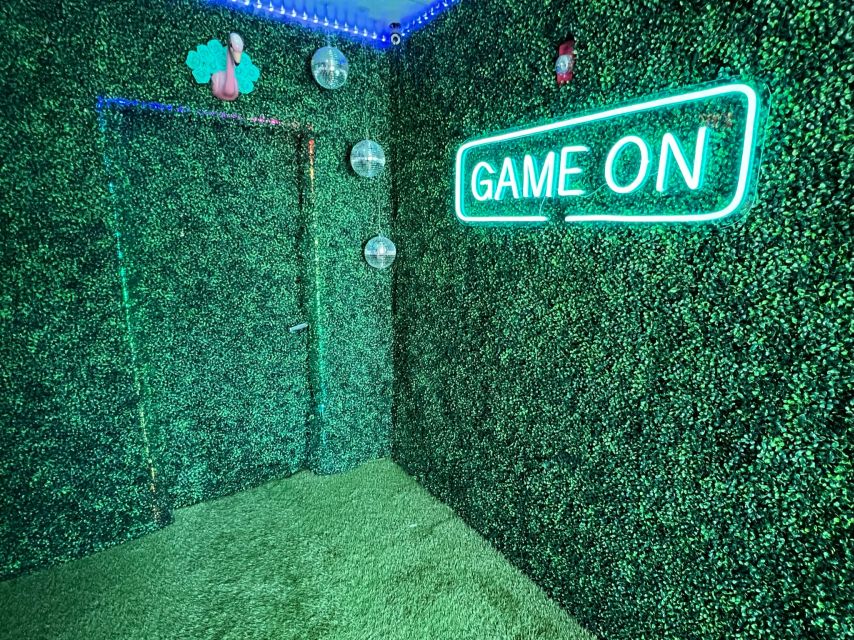
Once you step inside, you get the setup right away. It’s not just a generic locked-room scenario—it’s built like a small psychological thriller with momentum.
Here’s the storyline you’ll be working from: you get a letter from your uncle asking you to visit him at his retirement home in Miami Beach. But when you arrive, something feels off. As you head toward his room, a resident whispers that the in-house doctor has gone mad, and that your uncle is the next patient. Your window? The appointment is in 60 minutes—so you need to act fast.
Then the game shifts into pure problem-solving. As a group, you move room to room, hunting for clues and tackling obstacles that prevent you from continuing. Each conquered step helps you progress to the next area, until you break the doctor’s control and see the mission through.
I like story-based escape rooms because they give you a reason to care. You’re not just chasing symbols—you’re trying to outthink a situation, communicate with your team, and keep pressure from getting into the group dynamic.
Inside the rooms: how the challenge builds step by step
You’ll start in the first room, and from there the narrative keeps feeding you the next set of tasks. The structure is the classic escape-room rhythm: discover a clue, test a theory, connect the clue to what you already know, and then figure out what the room is asking for next.
The biggest “feel” factor here is pacing. The overall duration is 1 hour, and the setup is designed around that time pressure. That’s why it’s a team sport rather than a solo logic contest. If one person gets stuck, you don’t want everyone freezing. You want quick checks: “What did we just find?” “Who can read this?” “Does this connect to something earlier?”
One of the stronger bits of real-world feedback tied to this is how helpful the host can be when language is an issue. An English puzzle experience can be tough if the clues are only partly understood, so you’ll benefit from a group with at least one confident English reader. Even then, the host support can make the difference—someone in your group doesn’t have to be fluent to keep moving.
Communication beats brute force during the 1-hour clock
A key value of this type of escape room is that it turns communication into the main puzzle. Your group has to manage three things at once:
- time (the game has a tight finish window)
- roles (who tries what, and when)
- momentum (don’t get trapped on one idea too long)
You may run into the reality that it’s not always “easy as it looks.” One helpful caution from feedback: some groups couldn’t finish within the full hour. That doesn’t automatically mean it’s a failure; it means you should go in expecting that you might need to prioritize quickly rather than aim for perfect.
If your group tends to work slowly—like taking lots of turns reading every tiny detail—adjust your strategy. Pick a captain for the first 5 minutes. Then rotate. Keep each round short. If something doesn’t work, move on and come back later.
And if your host’s instructions feel fast (one person noted this kind of issue), don’t just sit there puzzled. Ask for clarification. The tone of the experience is friendly, and you’ll waste less time by speaking up early.


Rooftop lounge and rooftop games: why the extras matter
This escape room doesn’t only end with a dramatic close-the-door moment. A rooftop lounge and rooftop games are included, which is a big practical plus if you want your South Beach afternoon to feel more like an outing and less like a single-ticket activity that’s over too fast.
In real terms, those rooftop extras do two things:
1) They give your group a place to decompress right after the challenge.
2) They help make this feel worth the trip even if you’re not a hardcore puzzle person.
If you’re coming with friends, this is where the laughs happen. If you’re traveling as a couple, it can turn the experience into a light “team vs. team” vibe afterward (even if you’re not actually competing). And if you’ve got mixed-skill players in your group, the rooftop time keeps the energy going while your team’s puzzle confidence finds its footing.
Price and value: $35 for an hour of structured team fun
At $35 per person for a 1-hour experience, this fits best as a group activity rather than a solo must-do. The value comes from a few concrete things you’re getting all at once: a story-driven mission, multiple problem-solving rooms, and built-in downtime options afterward via the rooftop lounge and rooftop games.
Escape rooms can feel expensive when they’re just “one room and done.” This one has a progression across different areas, which matters. The more you move through the challenge, the more you’re paying for time together—not just for puzzles on a single level.
So the smart way to think about the price is: you’re buying a structured social block on South Beach. If your group wants something active, low-effort to coordinate, and easy to talk about afterward, $35 is reasonable.
If your group already hates timed activities or teamwork games, that’s when the same price can feel like a mismatch. The best use of your money is to match it with the right group mood.
Who should book this South Beach Panic Room—and who might not
This activity is a solid fit for:
- friend groups who enjoy teamwork and problem-solving
- couples looking for a playful shared challenge
- family groups that have older kids who can stay engaged for a timed game
There’s one important boundary: unaccompanied minors aren’t allowed. Children also must be accompanied by an adult. If you’re traveling with teenagers, this can work well—one family tested it with 15-year-old boys and had a lot of fun, which lines up with the idea that this is more “teen and up” in terms of staying power.
It’s also listed as wheelchair accessible, and the host or greeter is English-speaking. So if mobility needs are part of your planning, this is a better fit than many tightly built escape rooms.
And for language: since the clues and instructions are in English, having at least one person who reads comfortably in English helps. If not, the host support can make things smoother. One experience highlighted that a welcoming guide was patient with a French group when the clues were in English.
Team-building payoff: it’s not just puzzles, it’s roles
I think one reason people keep coming back to escape rooms like this is that they reveal how a group works under pressure. You quickly learn who:
- jumps into hands-on problem solving
- reads carefully and spots tiny patterns
- connects ideas across rooms
- keeps the group calm when time feels short
Even if you don’t care about “team building” on paper, you still get it in real life. The story forces you to move as one unit. And because the game lasts only about an hour, you don’t spend the whole day stressed.
If you’re planning a group outing—birthdays, friend trips, or just a way to avoid another long beach lunch—this offers a built-in reason to stay together. Then you get rooftop time to talk about what worked.
A few practical tips to make your run smoother
Here are the moves I’d make if you want to maximize your odds of a successful hour:
- Assign roles early: one person reads, one person tests, one person keeps an eye on time.
- Use your English advantage: even if only one person is fluent, have them lead clue interpretation.
- Don’t freeze: if a clue isn’t clicking, switch tasks and come back later.
- Ask if instructions are too fast: one person noted instructions were spoken quickly, so clarification is a smart move, not a disturbance.
- Treat it like a conversation: the best groups don’t just solve—they share theories out loud.
Also, if you’re coming with mixed ages, set expectations right away. A timed escape room is easier when everyone agrees to stay flexible and help, even if someone isn’t the best reader or strongest puzzle solver.
Should you book Miami Beach: South Beach Room Escape – Panic Room?
Book it if you want a fun, story-driven escape room in South Beach that’s designed around group teamwork, with a clear Mad Doctor narrative and an included rooftop hangout.
Skip it (or adjust expectations) if your group hates time pressure or you know nobody in your party enjoys teamwork games. This is not the kind of activity where one person can handle everything. It works best when everyone participates, communicates, and keeps the pace moving.
FAQ
How long is the Miami Beach South Beach Room Escape – Panic Room experience?
The experience lasts 1 hour.
Where do I meet for the escape room on South Beach?
You meet about north of Lincoln Rd on James Ave. You’ll look for the wall sign 235 Lincoln Road Building, use the door code 2299#, and take the elevator to the 4th floor.
What is the Panic Room story setup?
You get a letter from your uncle to visit his retirement home in Miami Beach. When you arrive, something seems wrong, and a hallway whisper says the in-house doctor has gone mad. You need to break him out before the appointment in 60 minutes.
What’s included with the ticket?
The ticket includes the rooftop lounge and rooftop games.
What is not included?
Alcoholic and non-alcoholic beverages are not included, and they’re available for purchase. Catering is also not included (it’s available for events).
Is it wheelchair accessible?
Yes, the activity is wheelchair accessible.
Are unaccompanied minors allowed?
No. Unaccompanied minors are not allowed, and children must be accompanied by an adult.
Is there an age limit for alcohol?
Yes. The minimum drinking age is 21.
What’s the group size limit?
This activity has a maximum of 10 travelers.
More Tour Reviews in Miami
- Little Havana Food and Walking Tour in Miami
★ 5.0 · 8,882 reviews - From Miami: Everglades Airboat, Wildlife Show & Bus Transfer
★ 4.2 · 8,622 reviews - Miami: Biscayne Bay Millionaire’s Homes Sightseeing Cruise
★ 4.5 · 7,348 reviews - Miami: Everglades National Park Airboat Tour & Wildlife Show
★ 4.5 · 7,296 reviews - Miami: Hop-on Hop-off Open-top Bus Tour and Optional Cruise
★ 4.1 · 3,077 reviews
Ocean Drive in Pastel
- The Official Art Deco Walking Tour by The Miami Design Preservation League
★ 5.0 · 1,580 reviews - South Beach Cultural Food and Walking Tour
★ 5.0 · 1,284 reviews - A Taste of South Beach Food Tour
★ 5.0 · 1,120 reviews - Miami South Beach Art Deco Walking Tour
★ 5.0 · 1,039 reviews - Miami: South Beach Private 50-Minute Private Flight Tour
★ 4.8 · 941 reviews
Just Added: New Miami Reviews



South Beach & Art Deco Tours, compared.
 ★ 5.0The Official Art Deco Walking Tour by The Miami Design Preservation LeagueFrom $401,580 reviews
 ★ 5.0South Beach Cultural Food and Walking TourFrom $751,284 reviews
 ★ 5.0A Taste of South Beach Food TourFrom $741,120 reviews
 ★ 5.0Miami South Beach Art Deco Walking Tour1,039 reviews
 ★ 4.8South Beach Private 50-Minute Private Flight TourFrom $95941 reviews
 ★ 4.5Duck Tour of Miami and South BeachFrom $48698 reviews
 ★ 4.9Miami Beach: South Beach Private Airplane Tour with DrinksFrom $99659 reviews
 ★ 4.8South Beach Private 35-Minute Guided Flight TourFrom $84591 reviews
Browse the lists this tour appears in