
REVIEW · MIAMI SNORKELING & DIVING
West Palm Beach: Beginner Scuba Diving Adventure with Videos
First-time scuba can feel way less scary. This small-group beginner session in West Palm Beach gives you a shore briefing (10–15 minutes) plus hands-on practice in waist-deep water, led by instructors who focus on nervous first-timers like Tabitha or Felipe. I especially like the fact that you get free video of your adventure, so you’re not stuck worrying about a phone above water the whole time. One possible drawback: the meeting spot is under a bridge, and if you arrive and don’t immediately see the team, you may feel unsure at first—wait near the black storage trunk under the bridge.
In This Review
- Key Things That Make This Beginner Scuba Lesson Worth Your Time
- West Palm Beach Beginner Scuba: The 90-Minute Promise
- Getting Ready at Phil Foster Beach Park (and Finding Your People)
- The Shore Briefing That Builds Confidence (10–15 Minutes)
- Waist-Deep Practice: Your First Breaths at About 3 Feet
- The Guided Underwater Tour: Seeing Sea Life Without Guesswork
- Gear and Fit: What’s Included, What’s Not, and One Safety Detail
- Video Clips Afterward: Why the Footage Matters
- Price Check: Is $99 Good Value?
- Group Size and Language: The Small-Team Advantage
- Who This Fits Best (and Who Should Skip It)
- Practical Tips That Make the Day Smoother
- Should You Book This Beginner Scuba Experience?
- FAQ
- How long is the beginner scuba experience?
- Do I need to be a strong swimmer?
- What do I need to bring?
- Are prescription glasses allowed with the mask?
- Can I fly right after scuba?
- Is this suitable for kids?
Key Things That Make This Beginner Scuba Lesson Worth Your Time
- A real first-breath setup: You start in shallow, waist-deep water (about 3 ft) before going deeper.
- Instructors who slow it down: Tabitha and Felipe are repeatedly praised for patience and clear safety talk.
- You’ll leave with footage: a guide captures your session with complimentary videos afterward.
- Small group limits: capped at 8 participants, which helps you get attention when you need it.
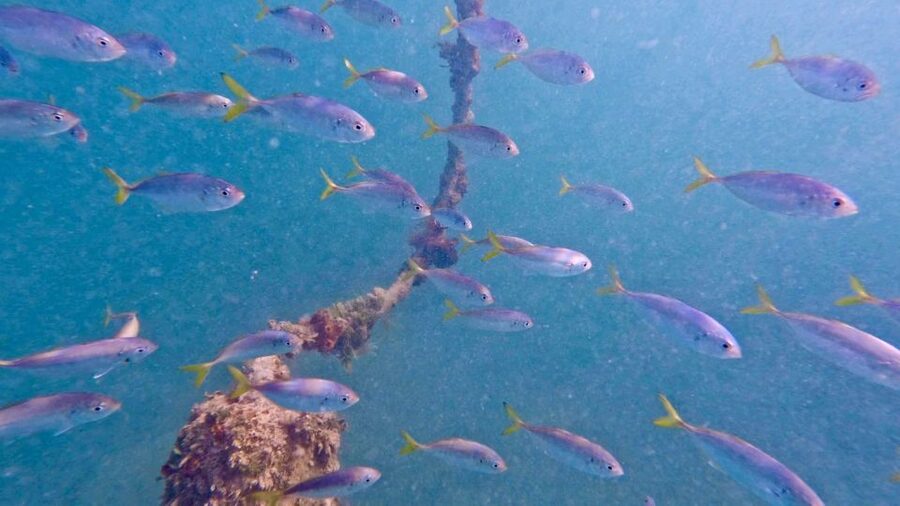
- Marine life, not just training: you’ll do a guided underwater tour and see fish and sea creatures during the experience.
Down on the reef, more time underwater
- Miami: Key West Dolphin Watch or Snorkel Boat with pickup
★ 4.4 · 399 reviews - Snorkel & Millionaire Row – Private Miami Boat Tour w/ Drinks
★ 5.0 · 267 reviews - Full-Day Key West Tour and Coral Reef Snorkeling with Open Bar
★ 3.5 · 216 reviews - Key West Sail and Snorkel with Hotel Transportation from Miami
★ 3.5 · 94 reviews
West Palm Beach Beginner Scuba: The 90-Minute Promise
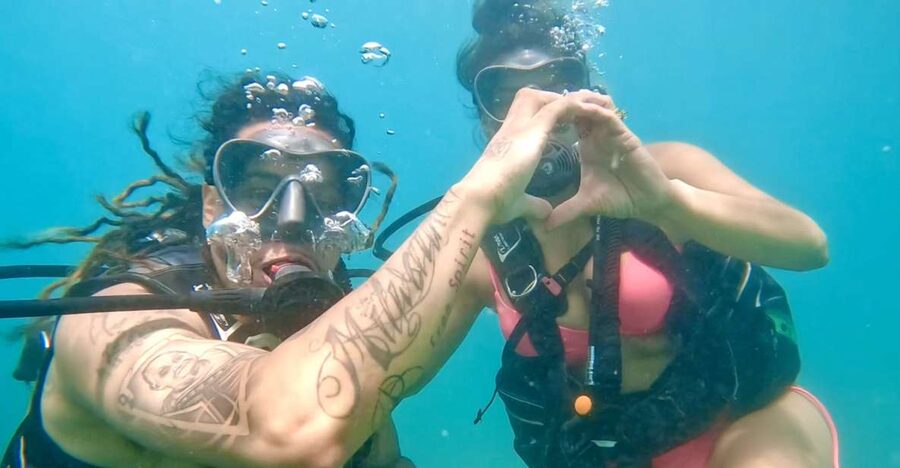
This is a short, focused beginner setup designed for one job: help you feel comfortable going underwater without turning it into a big ordeal. The total experience runs around 90 minutes, and the actual underwater portion can be closer to 1 to 1.5 hours depending on your group size and how quickly you build confidence.
The value here is that you’re not paying for a “try it and hope” experience. You’re paying for instruction plus equipment plus a guided look at ocean life. And at $99 per person, it’s priced like a genuine entry point—especially when you factor in the complimentary videos you get afterward.
Getting Ready at Phil Foster Beach Park (and Finding Your People)
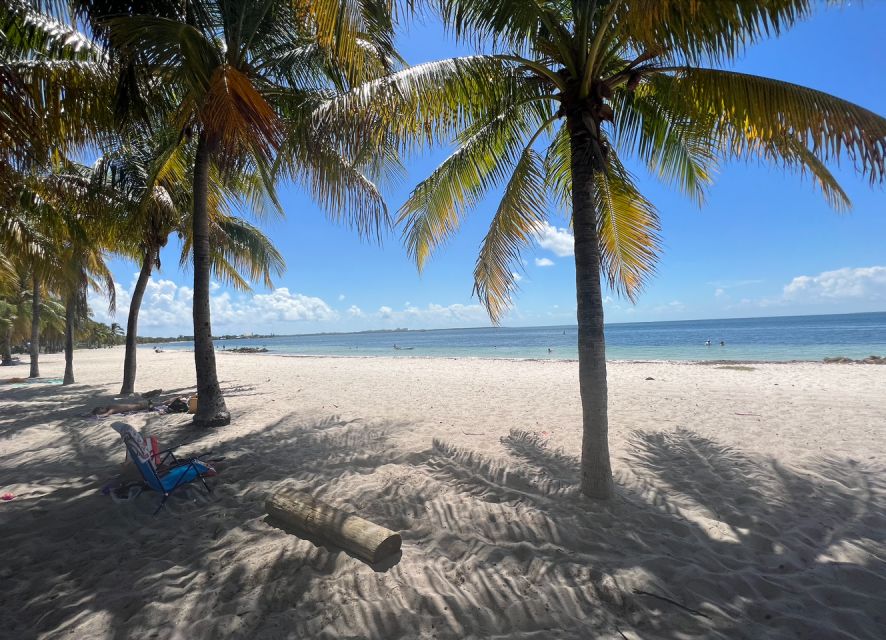
Your check-in happens at Phil Foster Beach Park, about 30 minutes before your start time. Meet your instructor under the bridge. The key detail: if they’re finishing up a class and you don’t see them right away, the instruction is to wait by the black storage trunk under the bridge, near the entrance.
That matters because first-timers can get rattled by vague meeting points. If you’re driving in from elsewhere, give yourself a little buffer so you’re not arriving rushed. If you’re worried, do one simple thing: scan the area under the bridge for the setup, then move to the black trunk if the team isn’t visible yet.
Also, plan to come prepared to change quickly. Bring what you need for going from shore-to-water. You’ll want a towel and sunscreen ready, plus your swimsuit. During cooler months, you may want a wetsuit or wetsuit top, since the local water temps can make you feel chilly fast.
The Shore Briefing That Builds Confidence (10–15 Minutes)
Before anyone goes underwater, you get a guided basics session on the shore. Expect 10–15 minutes of instruction from your dive guide, covering what you need to know to start safely and comfortably.
For beginners, this part is where the experience is won or lost. If your breathing feels weird, or if the gear feels unfamiliar, it helps to know what’s happening and what to focus on. The instructors here are specifically described as people who specialize in taking beginners, and you’ll feel that in the way the lesson is paced: you’ll learn the basics first, then practice immediately.
Two practical reasons this briefing is important:
- You’ll spend less time guessing once you’re in the water.
- You’ll understand what “normal” feels like, so nervousness doesn’t spiral.
Waist-Deep Practice: Your First Breaths at About 3 Feet
Next comes the easiest confidence-builder: you begin in waist-deep water (about 3 ft). This is where you ease into breathing underwater and practice the basic skills you’ll need for the guided portion.
Swimming isn’t required, but you do need to be comfortable in the water. That’s a big distinction. Comfort matters more than athletic ability here. If you can stand, float a bit, and stay calm while the gear feels new, you’re set up well.
You’ll work through the initial “this is real” moment in a controlled way—close to the shore, slow, and guided step by step. For first-timers, this is where most people get their first real relief: once your breathing rhythm clicks, the ocean feels less like a mystery.
Before you lock in this Miami trip, weigh these up too:
The Guided Underwater Tour: Seeing Sea Life Without Guesswork
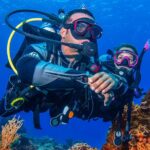
After you feel ready, you’ll join a guide for a tour underwater and you’ll see aquatic life and fish. The depth and conditions are kept beginner-friendly, and the setup is geared toward people learning the basics safely rather than chasing extreme depths.
What I think is genuinely smart about this format is the balance. You’re not just “doing drills.” You get to use what you learned immediately—so the training becomes a lived experience, not homework.
From the feedback you’re likely to hear from other participants, the most common theme is that the guides are attentive and make a point to check in with each diver during the experience. That kind of supervision helps beginners relax enough to notice marine life instead of constantly thinking about gear.
And even though you start shallow, you can still have exciting encounters. One of the standout notes from the experience: even in crowded or busier water conditions, beginners staying in the 3–4 meter range still saw plenty of sea creatures.
Gear and Fit: What’s Included, What’s Not, and One Safety Detail
The tour includes scuba diving equipment and a professional guide. The equipment inclusion is a big value point, because it removes the “should I rent or buy?” stress before you even know if you like this sport.
What’s not included:
- Swimsuit
- Towel
- Sunscreen
- Wetsuit/wetsuit top (during cooler months, it’s recommended)
One safety/comfort detail you should take seriously if you wear glasses: prescription glasses can’t be worn under snorkel or scuba masks. Contact lenses are allowed, or you can go without them. And there’s an optical note that can help your expectations: underwater magnification can make objects appear about 25% closer and larger.
That means you don’t need perfect underwater eyesight to enjoy the experience—you just need to be able to follow instructions and keep your breathing steady.
Video Clips Afterward: Why the Footage Matters
A dedicated guide captures your adventure on video, and you get complimentary videos afterward. If you’re the type who hates worrying about a phone while trying something new, this is a big plus.
There’s also one important fine print you should know: if the camera malfunctions, there is no refund for the tour. That’s normal for many activity providers, but it’s worth understanding ahead of time so you’re not surprised by the policy.
In real terms, the video part makes the experience feel more complete. You can focus on learning and seeing fish, and still take home a record of your first underwater session.
Price Check: Is $99 Good Value?
At $99 per person for about 90 minutes with equipment, instruction, a guided underwater portion, and free video, I’d call this a fair beginner rate. The value isn’t just the price tag—it’s what’s bundled.
Here’s what you’re effectively getting for that $99:
- Professional guidance throughout the session
- Equipment so you’re not stuck sourcing gear
- Beginner instruction (shore basics + shallow practice)
- A guided underwater experience where you can focus on learning
- Complimentary video
If you were to price those things separately—especially equipment rental plus instruction plus a guided experience—you’d likely spend more. For first-timers, this is also a lower-risk way to test the activity before committing to anything longer or more advanced.
Group Size and Language: The Small-Team Advantage
This is a small group experience with a limit of 8 participants. That number matters more than people think. In a bigger crowd, beginners often get less individual attention. In a small group, you’re more likely to get quick corrections if something feels off—especially during the early shallow practice.
Language support includes English and Spanish. If you prefer one over the other, it’s still a good idea to arrive ready to communicate your comfort level and ask questions right away.
Who This Fits Best (and Who Should Skip It)
This beginner scuba experience is set up for people who want a structured first underwater lesson. It’s also explicitly not suitable for:
- People with heart problems
- Pregnant women
- People with pre-existing medical conditions
- Children under 10 years
Everyone must fill out a medical questionnaire and a liability waiver before the tour. That’s standard for safety, and it’s especially relevant because underwater activities can affect breathing and exertion.
Two more practical notes:
- Flying within 12 hours after scuba is not recommended.
- You don’t have to be a strong swimmer, but you do need to be comfortable in the water.
If you’re unsure about whether you should go, treat the medical questionnaire seriously. If you have any concern at all, ask your doctor before booking.
Practical Tips That Make the Day Smoother
Here’s how to get the most out of your first session without overthinking it.
Bring:
- Swimsuit
- Towel
- Sunscreen
- A wetsuit/wetsuit top if the weather is cool
Know about contacts and masks:
- Prescription glasses don’t go under the mask.
- Contacts are fine.
- Underwater magnification changes how things look (roughly 25% closer/larger), so don’t judge size or distance like you would above water.
Arrive calm:
- Check in 30 minutes early at Phil Foster Beach Park.
- If you don’t spot instructors, wait by the black storage trunk under the bridge.
Mental approach:
- Your job underwater is to focus on breathing and the basics.
- The marine life is the bonus you get once you’re stable.
Should You Book This Beginner Scuba Experience?
If you want a first underwater experience that feels guided, controlled, and beginner-friendly, I think this is a strong choice. The big reasons are straightforward: patient instruction, shallow practice first, and the added reward of seeing sea life while your guide captures free videos afterward.
I’d think twice if you:
- Have any medical concerns that the questionnaire flags (heart problems, pregnancy, pre-existing conditions).
- Expect a super-advanced challenge. This is built for learning, not for speed or depth records.
- Hate meeting points that are less obvious. Under-bridge logistics can be fine once you’re there, but if you arrive late or flustered, it can add stress.
FAQ
How long is the beginner scuba experience?
The total experience is about 90 minutes, and the underwater portion typically lasts between 1 and 1.5 hours depending on group size and comfort level.
Do I need to be a strong swimmer?
No. Swimming is not required, but you do need to be comfortable in the water.
What do I need to bring?
Bring a swimsuit, towel, and sunscreen. In cooler months, it’s recommended to bring a wetsuit or wetsuit top.
Are prescription glasses allowed with the mask?
Prescription glasses cannot be worn under snorkel or scuba masks. Contact lenses are allowed, or you can go without.
Can I fly right after scuba?
Flying within 12 hours after scuba diving is not recommended.
Is this suitable for kids?
No. The activity is not suitable for children under 10 years old.
More Scuba Diving in Miami
- Miami Guided 2-Tank Scuba Diving: South Florida’s Reefs & Wrecks
★ 5.0 · 39 reviews
More Tour Reviews in Miami
- Little Havana Food and Walking Tour in Miami
★ 5.0 · 8,882 reviews - From Miami: Everglades Airboat, Wildlife Show & Bus Transfer
★ 4.2 · 8,622 reviews - Miami: Biscayne Bay Millionaire’s Homes Sightseeing Cruise
★ 4.5 · 7,348 reviews - Miami: Everglades National Park Airboat Tour & Wildlife Show
★ 4.5 · 7,296 reviews - Miami: Hop-on Hop-off Open-top Bus Tour and Optional Cruise
★ 4.1 · 3,077 reviews
Below the Surface Off Miami
- Miami: Key West Dolphin Watch or Snorkel Boat with pickup
★ 4.4 · 399 reviews - Snorkel & Millionaire Row – Private Miami Boat Tour w/ Drinks
★ 5.0 · 267 reviews - Full-Day Key West Tour and Coral Reef Snorkeling with Open Bar
★ 3.5 · 216 reviews - Key West Sail and Snorkel with Hotel Transportation from Miami
★ 3.5 · 94 reviews - West Palm Beach: Beginner Snorkel Tour with Turtles & Videos
★ 4.4 · 44 reviews
Just Added: New Miami Reviews

Miami Snorkeling & Diving, compared.
 ★ 4.4Key West Dolphin Watch or Snorkel Boat with pickupFrom $63399 reviews
 ★ 5.0Snorkel & Millionaire Row – Private Miami Boat Tour w/ DrinksFrom $150267 reviews
 ★ 3.5Full-Day Key West Tour and Coral Reef Snorkeling with Open BarFrom $99216 reviews
 ★ 3.5Key West Sail and Snorkel with Hotel Transportation from MiamiFrom $11994 reviews
 ★ 4.4West Palm Beach: Beginner Snorkel Tour with Turtles & VideosFrom $4744 reviews
Sun, Snorkel & Sip : Key West Day Trip from MiamiFrom $6042 reviews
★ 4.4West Palm Beach: Beginner Snorkel Tour with Turtles & VideosFrom $4744 reviews
Sun, Snorkel & Sip : Key West Day Trip from MiamiFrom $6042 reviews
 ★ 5.0Miami Guided 2-Tank Scuba Diving: South Florida’s Reefs & WrecksFrom $12639 reviews
 ★ 3.5MIAMI: Key West Day Trip with Snorkel or Glassbottom BoatFrom $14427 reviews
Browse the lists this tour appears in