
REVIEW · LITTLE HAVANA & CUBAN FOOD TOURS
Miami: Little Havana Food and Culture Walking Tour
Calle Ocho tastes better with a guide. This Little Havana Food and Culture walking tour strings together Cuban classics from local spots, a hand-rolling cigar stop, and a photo-friendly detour to Rooster Alley, so you get both food and context in about three hours. I love that the meal-style lineup covers the usual hits—café cubano, Cuban sandwich, empanadas, tostones, dessert, and guarapo—without you having to plan a thing. I also love the history hits, from the Bay of Pigs monument to the Tower Theater story about Spanish subtitles. One possible drawback: you’re on your feet for most of the 3 hours, with lots of quick stops, so comfortable shoes and pacing matter.
This is the kind of tour I’d recommend when you want Little Havana to feel personal, not like a checklist. The group size is capped at 16, and you’ll walk about a mile total with plenty of short breaks. The ticket includes a full meal’s worth of tastings, while drinks are an optional add-on for ages 21+.
In This Review
- Key things that make this tour worth your time
- Price and value: what your $65 actually buys
- Your route in real life: how the pacing feels
- El Cristo Restaurant: the Cuban-food kickoff
- Sala’o Cuban Restaurant & Bar: live music with your second tasting
- The cigar factory moment: watch cigars get rolled
- Calle Ocho Walk of Fame and the classic-car photo moment
- Domino Park: where the game is the culture
- Los Pinareños Frutería: guarapo and fruit-market warmth
- Old’s Havana Cuban Bar & Cocina: another live-music food stop
- Party Cake Bakery: the sweet stop that actually earns its place
- Cubaocho Museum and Performing Arts Center: art, music, and community
- Bay of Pigs Monument and the Memorial Boulevard: history you can stand beside
- Rooster Alley and the private-car access: the photo stop you’ll remember
- Tower Theater: Spanish subtitles and cultural fusion
- Who this tour fits best (and who might want a different plan)
- Should you book the Miami Little Havana Food and Culture Walking Tour?
- FAQ
- How long is the Little Havana Food and Culture walking tour?
- How much walking is involved?
- What’s included with the $65 ticket?
- Can the tour accommodate vegetarian, vegan, or allergy needs?
- Is it appropriate for kids, and will there be smoking?
- Can I bring a stroller or a service animal?
- Does the tour run in the rain?
Key things that make this tour worth your time
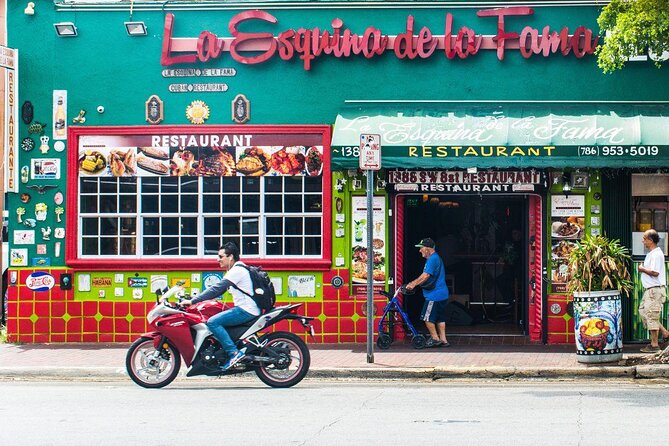
- A $65 ticket that acts like a full meal with multiple tastings across 5 local restaurants
- Live Cuban music stops at both Sala’o and Old’s Havana, so the walk has a soundtrack
- Cigar-rolling at a traditional cigar shop with a chance to buy an authentic, handmade cigar
- Rooster Alley access with vintage Cuban cars for some of the best photos in the area
- Easy walking distance: about 1 mile total, with stops for food, photos, and stories
- VIP drink upgrade is optional ($19.99 per person for 3 samples; ages 21+)
More cafecito and croquetas along Calle Ocho
- Little Havana Food and Walking Tour in Miami
★ 5.0 · 8,882 reviews - Miami: Little Havana Food Walking Tour with Tastings
★ 4.9 · 1,181 reviews - Little Havana: Authentic Food and Culture Walking Tour
★ 5.0 · 679 reviews - Walking Food Tour of Little Havana with Cuban Dishes Tasting
★ 5.0 · 495 reviews
Price and value: what your $65 actually buys
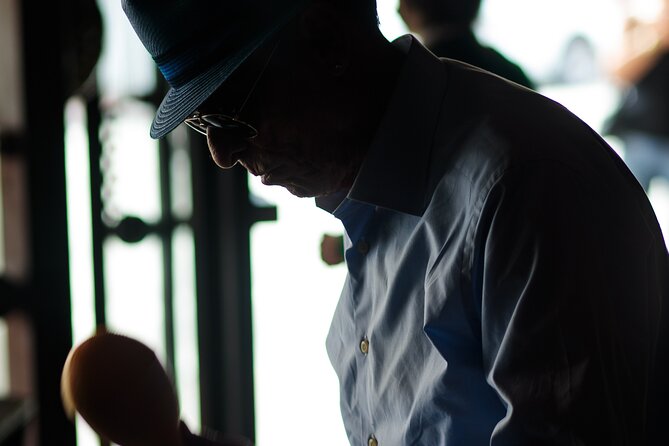
At $65 per person for about 3 hours, the real value is that you’re paying for effort-free ordering and a guided path through places you might not pick on your own. You’re not just tasting one snack and moving on—you get a meal’s worth of Cuban favorites across multiple stops.
Here’s what the standard ticket is built to do:
- Cover several Cuban staples you’ll hear about (Cuban sandwich, empanadas, tostones, café cubano).
- Add in the fun extras that show up in everyday Little Havana life, like guarapo (fresh-pressed sugarcane juice).
- Include cultural stops that explain why these foods and places matter, not just what they serve.
If you’re already the type who orders a drink “just because,” you might be tempted by the VIP upgrade. It’s $19.99 extra (ages 21+) and adds three samples (mojito, daiquiri, and non-alcoholic limonada). My take: treat it as a bonus, not a necessity—because the base food portion is meant to fill you up.
Your route in real life: how the pacing feels
You’ll start at El Cristo Restaurant (1543 SW 8th St) and end back at the meeting point. The walking distance is about 1 mile, and the schedule uses short, layered stops: eat here, walk a few minutes, hear a story, take photos, repeat.
That matters because Little Havana is best at human speed. You’re not speed-walking down the main drag. Instead, you’re bouncing between:
- Restaurants and bars with tastings
- A cigar factory workshop-style moment
- Iconic photo corridors and parks
- A museum/arts center stop tied to Cuban art and community life
And because the tour runs in all weather (with proper dress), you’ll want to bring an umbrella if rain looks possible.
El Cristo Restaurant: the Cuban-food kickoff
The tour starts with a classic Little Havana-style introduction at El Cristo Restaurant. This is where the “come hungry” idea becomes real. Expect a lineup that typically includes:
- A traditional Cuban sandwich
- Café cubano (strong, sweet Cuban coffee)
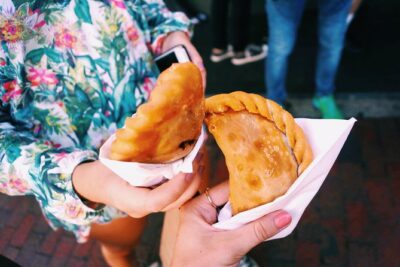
- Hand-rolled warm empanadas
- Crispy twice-baked tostones made from ripe plantains
- A Cuban dessert
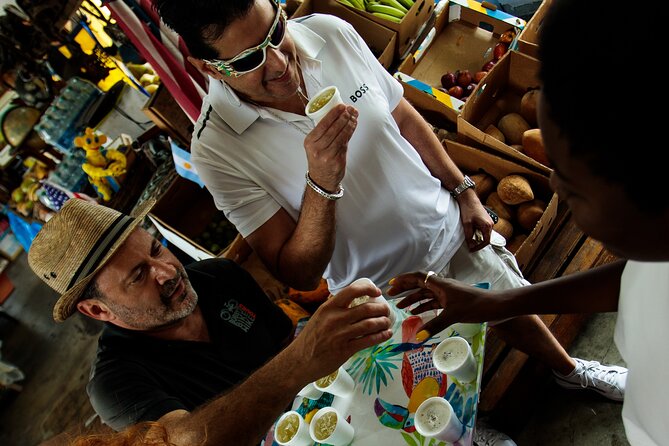
- Guarapo from a local market
Why I like this start: it gives you a baseline so everything after makes more sense. Once you’ve tasted the sandwich and coffee early, you can connect what you’re eating to the cultural stories you’ll hear later.
Practical note: if you get queasy in strong coffee or super sweet drinks, go slow at the café cubano moment. It’s part of the experience, but you’re not required to slam it.
Sala’o Cuban Restaurant & Bar: live music with your second tasting

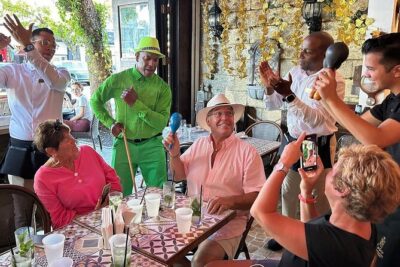
At Sala’o, live Cuban music becomes part of the dining rhythm. This stop is built to keep the tour from turning into a classroom—while you taste, you also hear the neighborhood’s energy in real time.
Along with the soundtrack, you’ll find more of the familiar Cuban favorites, typically:
- Savory Cuban sandwiches and warm empanadas
- Twice-baked tostones
- Desserts
- Café cubano
- Guarapo
If you add the VIP drink upgrade later, this is one of the points where the mojito option may be mentioned. Even without it, this stop is great because it adds “atmosphere” to “food tasting.”
Still hungry? More Miami plates worth the walk





The cigar factory moment: watch cigars get rolled
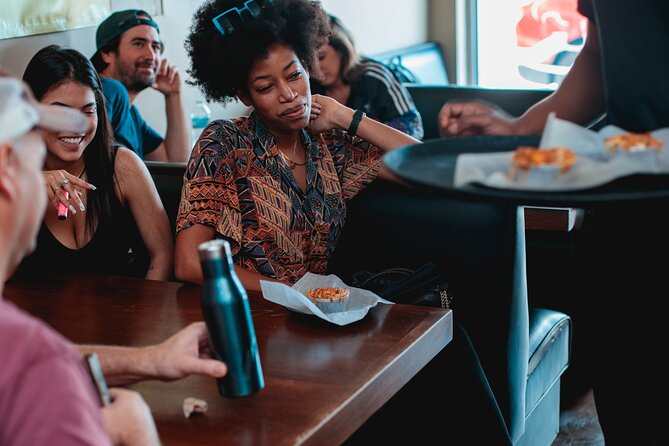
One of the most memorable parts is the visit to a traditional cigar shop at the Little Havana Cigar Factory. You’re not just looking at cigars behind glass. You can watch seasoned artisans hand-roll cigars using time-honored techniques.
Then comes the fun part: you’ll have the opportunity to take home a handmade cigar as a souvenir. (This is one of those travel buys that feels grounded, not tourist-y.)
One caution for families: the tour concludes at a cigar shop, and there’s a cigar lounge where smoking can occasionally happen. If you’re traveling with kids and you’d rather not have them around smoke, you can skip entering the lounge area and wait outside.
Calle Ocho Walk of Fame and the classic-car photo moment
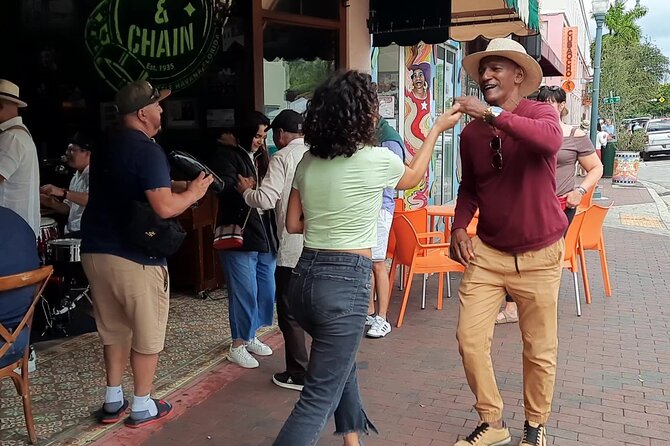
The tour heads toward Calle Ocho’s Walk of Fame, where Latin artists are honored beneath your feet. It’s a short stop, but it helps explain why this street feels like a community stage.
You’ll also spot vintage classic cars tied to Cuban automotive history—great for photos, and the kind of detail you’d probably miss if you were just wandering.
My advice: take a few minutes here even if photos aren’t your thing. This is where the tour starts to look like the neighborhood is telling its own story through objects, not just menus.
Domino Park: where the game is the culture
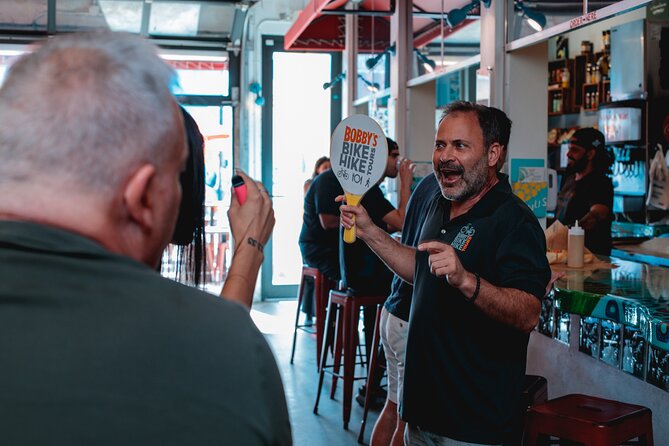
Domino Park is the kind of stop that feels like a time machine. The key idea isn’t fancy sightseeing—it’s watching locals play and talk with that familiar intensity domino games bring.
This is one of the best moments if you want Little Havana to feel lived-in. The tour’s explanation helps connect the pastime to community pride and tradition, instead of treating it like a quirky street scene.
If you get an opening, watch for a round or two. You don’t need to join. Just taking in the rhythm makes the history pieces later land better.
Los Pinareños Frutería: guarapo and fruit-market warmth
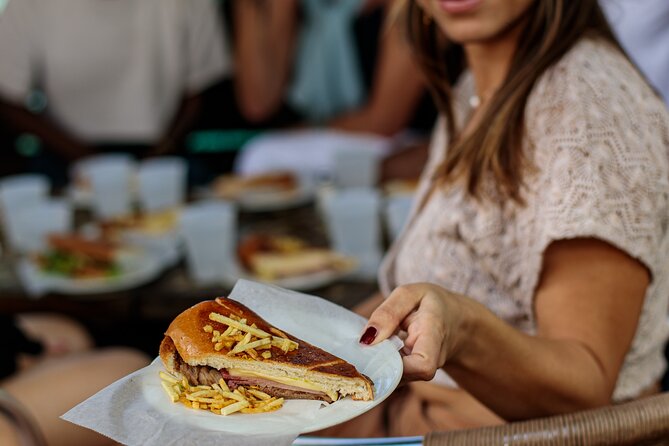
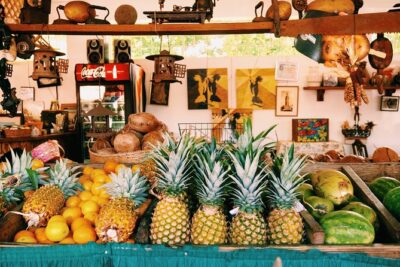
Not all food tours give you a fruit market stop, and that’s exactly why Los Pinareños Frutería works. It’s family-run, and you can taste the difference when sugarcane juice is made for the moment and the fruit is fresh in a way that supermarkets can’t mimic.
Here’s what makes this stop stand out:
- You can sip freshly made guarapo
- The Hernandez family has operated the market since the 1960s
- There’s a lived-in, old-school market atmosphere (including a resident rooster, if you’re lucky enough to spot it)
If you’re trying to slow your pace after multiple restaurant stops, this is a good “breather” moment. It also helps balance the heaviness of fried and pastry items with something lighter and naturally sweet.
Old’s Havana Cuban Bar & Cocina: another live-music food stop
Later, the tour hits Old’s Havana Cuban Bar & Cocina, again with live Cuban music setting the mood. Expect another round of the core Cuban tastes—this is where you’ll likely notice how each place does the same dishes with slightly different texture and flavor.
Common tastings at this stop include:
- Cuban sandwich
- Café cubano
- Empanadas
- Tostones (twice-baked style)
- Cuban dessert
- Guarapo
If you’re thinking about the VIP beverage upgrade, this is one of the stops where the mojito option gets mentioned. I’d only add it if you’re already planning to enjoy alcohol or if you want the mojito/daiquiri sampling style. The base tour already does a lot of liquid through coffee and guarapo.
Party Cake Bakery: the sweet stop that actually earns its place
Dessert on food tours can be a token. Not here. Party Cake Bakery is treated like a real stop, built around the Cuban dessert tradition.
You’ll likely get a taste of pastries made fresh daily using traditional Cuban recipes, including options like pastelitos. Even if you’re not a huge dessert person, this stop helps you understand why Little Havana food isn’t only about savory comfort—it’s also about sweet rituals.
Practical tip: if you’re packing up dinner plans afterward, don’t. The tour is designed to leave you full.
Cubaocho Museum and Performing Arts Center: art, music, and community
Cubaocho is a cultural pivot point. It’s not just a museum space; it’s a performing arts center where Cuban creativity and community life show up through art and events.
What you’ll get from the stop:
- A look at Cuban art spanning from the 1800s through the 1950s
- Context about founder Roberto Ramos, who rescued and preserved much of the collection
- A sense of how the space operates as a gathering hub, with music and events
If you’ve been thinking of this tour as mostly about food, this is where you’ll feel the “food as culture” connection most clearly.
Bay of Pigs Monument and the Memorial Boulevard: history you can stand beside
You’ll also spend time at places that carry political and emotional weight. The Bay of Pigs Monument is a tribute tied to the Cuban fight for freedom, and the tour explains how the Bay of Pigs events affected lives and shaped the political landscape for Cuban families who later made Miami their home.
Then there’s Cuban Memorial Boulevard Park with the Eternal Torch. It’s a quiet stop, built to slow the pace and give the tour meaning beyond dinner.
My advice: treat these as breathing moments. You’ll likely have strong smells and loud music earlier; here, you get a different kind of focus.
Rooster Alley and the private-car access: the photo stop you’ll remember
If you like photos, you’ll want to pay attention here. Rooster Alley is described as an off-the-beaten-path stretch with murals, street art, and photo-ready scenes.
The big difference on this tour is exclusive access to a private collection of antique Cuban cars inside the alley. It’s the kind of detail that makes your pictures look like you found something special, not something random.
And yes—roosters can wander around, adding to the whole playful, Cuban street-life feel.
Tower Theater: Spanish subtitles and cultural fusion
Tower Theater is another short stop with a big idea: the first movie theater in the United States to screen American films with Spanish subtitles. That detail gives you a practical lens on cultural fusion—how Miami’s communities built spaces where language and identity mattered.
It’s quick, but it’s the kind of fact that sticks because it links entertainment technology to immigrant community life.
Who this tour fits best (and who might want a different plan)
This works especially well if you:
- Want a full Cuban-food meal without making reservations or figuring out which place is best
- Prefer walking with a guide who connects the dots between dishes, music, and community history
- Travel with people who enjoy a mix of food, photos, and stories (families and bachelor/ette groups often fit this style)
You might want to adjust expectations if you:
- Need strict gluten-free meals (the tour notes gluten-free options are extremely limited)
- Are very sensitive to cigar smoke near the end of the tour—plan to skip the lounge area if needed
Should you book the Miami Little Havana Food and Culture Walking Tour?
I’d book it if you want a one-stop way to eat your way through Little Havana and also understand why this neighborhood feels different from Miami’s more obvious tourist zones. The tour’s value comes from the amount of food you get, the live-music stops, and the hands-on cigar and Rooster Alley moments that go past the typical photos-and-snacks format.
If you want, you can also keep it simple: skip the VIP drinks and let coffee and guarapo do the liquid work. For most people, the standard ticket already hits the key flavors and leaves you with enough stories to make the neighborhood feel real.
FAQ
How long is the Little Havana Food and Culture walking tour?
It runs for about 3 hours.
How much walking is involved?
The tour covers about 1 mile total, with 6 to 8 stops along the way that also give you breaks and time for learning.
What’s included with the $65 ticket?
You’ll get tastings from local restaurants, including items like Cuban sandwich, café cubano, empanadas, tostones, Cuban dessert, and guarapo. The tour also includes guided cultural storytelling, access to a cigar-rolling demonstration, and cultural stops like Walk of Fame, Domino Park, and Rooster Alley.
Can the tour accommodate vegetarian, vegan, or allergy needs?
Vegetarian and vegan options are available with modified choices, and people who don’t eat beef or pork can be accommodated. Gluten-free options are extremely limited, so if you have specific requirements, you’ll need to add them during booking.
Is it appropriate for kids, and will there be smoking?
Kids can enjoy the tour. The tour concludes at a cigar shop where there is a cigar lounge and people may be smoking there. If you don’t want children around cigar smoke, you don’t have to enter and can end the tour outside.
Can I bring a stroller or a service animal?
Strollers are welcome. Service animals are allowed, but pets are not permitted.
Does the tour run in the rain?
It operates in all weather conditions, but if it’s canceled due to poor weather, you’ll be offered a different date or a full refund.
More Tour Reviews in Miami
- Little Havana Food and Walking Tour in Miami
★ 5.0 · 8,882 reviews - From Miami: Everglades Airboat, Wildlife Show & Bus Transfer
★ 4.2 · 8,622 reviews - Miami: Biscayne Bay Millionaire’s Homes Sightseeing Cruise
★ 4.5 · 7,348 reviews - Miami: Everglades National Park Airboat Tour & Wildlife Show
★ 4.5 · 7,296 reviews - Miami: Hop-on Hop-off Open-top Bus Tour and Optional Cruise
★ 4.1 · 3,077 reviews
Eat Your Way Through Miami
- Little Havana Food and Walking Tour in Miami
★ 5.0 · 8,882 reviews - South Beach Cultural Food and Walking Tour
★ 5.0 · 1,284 reviews - Miami: Little Havana Food Walking Tour with Tastings
★ 4.9 · 1,181 reviews - A Taste of South Beach Food Tour
★ 5.0 · 1,120 reviews - Little Havana: Authentic Food and Culture Walking Tour
★ 5.0 · 679 reviews
More of Calle Ocho
- Little Havana Food and Walking Tour in Miami
★ 5.0 · 8,882 reviews - Miami: Little Havana Food Walking Tour with Tastings
★ 4.9 · 1,181 reviews - Little Havana: Authentic Food and Culture Walking Tour
★ 5.0 · 679 reviews - Walking Food Tour of Little Havana with Cuban Dishes Tasting
★ 5.0 · 495 reviews - Little Havana Food Tour: Discover Iconic Cuban Cuisine in Miami
★ 5.0 · 308 reviews
Just Added: New Miami Reviews




Little Havana & Cuban Food Tours, compared.
 ★ 5.0Little Havana Food and Walking Tour in MiamiFrom $698,882 reviews
 ★ 4.9Little Havana Food Walking Tour with TastingsFrom $691,181 reviews
 ★ 5.0Little Havana: Authentic Food and Culture Walking TourFrom $69679 reviews
 ★ 5.0Walking Food Tour of Little Havana with Cuban Dishes Tasting495 reviews
 ★ 5.0Little Havana Food Tour: Discover Iconic Cuban Cuisine in MiamiFrom $69308 reviews
 ★ 5.0Little Havana Like a Local: Food, Culture & Hidden GemsFrom $69252 reviews
 ★ 5.0Little Havana Small Group Walking TourFrom $62231 reviews
 ★ 4.8Little Havana Cuban Food and Culture Walking TourFrom $64223 reviews
Browse the lists this tour appears in