
REVIEW · LITTLE HAVANA & CUBAN FOOD TOURS
Miami: Little Havana Walking Tour (Lunch Option Available)
Little Havana has a way of sticking with you. This walking tour blends Cuban migration stories at the Bay of Pigs memorial with real food and craft stops, from guava pastelitos to hand-rolled cigars. I love the mix of history and hands-on culture, and I also like that you end where locals actually hang out, Domino Park. One heads-up: it’s a 2–3 hour street walk, so comfortable shoes matter.
I’ve seen plenty of praise for the guides behind this experience, with names like Kayan, Jennifer, and Hugo showing up in reviews for making the stories feel alive and easy to follow. You’ll hear about people, neighborhoods, and traditions in a way that connects the dots fast—especially if you’re the type who likes to understand what you’re looking at, not just pass by it. If you’re expecting a super short “hit the highlights” version, this may feel like a lot of stops in a short time.
The best part is that it’s simple to plan: meet at the Bay of Pigs Monument, wear weather-appropriate clothes, and show up ready to walk. Tours run in all weather, so plan layers.
In This Review
- Key things I’d block time for
- Start at the Bay of Pigs Monument and get your bearings fast
- Riverside and the José Martí Memorial: history that shows up in the streets
- Market stop energy: tropical fruit, old-school rhythms, and why it matters
- Cuban bakery stop: guava pastelitos and ham croquetas
- Hand-rolled cigars and guayabera style: craft and identity
- Cuban coffee ritual, then the classic bites
- Lunch option reality check: what you get with or without the meal
- Calle Ocho with stories, not just storefronts
- Domino Park ending: the sound of locals, not a performance
- Price and value: $40 for 2–3 hours worth your energy
- Who this tour fits best (and who should rethink it)
- Tips to enjoy it more (without overthinking)
- Should you book this Little Havana tour?
- FAQ
- Where is the tour meeting point?
- How long is the Little Havana walking tour?
- Is the tour guided in English?
- Does this option include lunch?
- What’s included in the tour?
- What should I bring?
Key things I’d block time for
- Bay of Pigs origin story: You start with the Cuban migration context that shaped Riverside and downtown Miami.
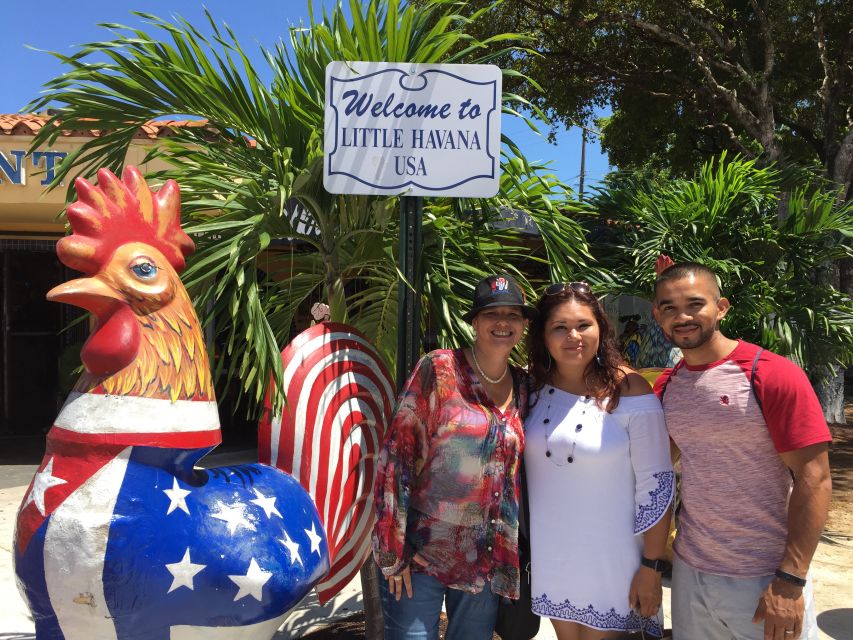
- Calle Ocho with a local: You don’t just stroll—you get a guided read on what you’re seeing.
- Cigar rolling craft: Watch artisans work with old-world techniques, not a demo that feels scripted.
- Cuban bakery and snacks: Expect guava pastelitos and ham croquetas, plus coffee and classic bites.
- Guayabera culture: The story behind the iconic shirt, not just the sight of it.
- Domino Park finish: You close with the daily rhythm of local life, around the sound of tiles and conversation.
More cafecito and croquetas along Calle Ocho
- Little Havana Food and Walking Tour in Miami
★ 5.0 · 8,882 reviews - Miami: Little Havana Food Walking Tour with Tastings
★ 4.9 · 1,181 reviews - Little Havana: Authentic Food and Culture Walking Tour
★ 5.0 · 679 reviews - Walking Food Tour of Little Havana with Cuban Dishes Tasting
★ 5.0 · 495 reviews
Start at the Bay of Pigs Monument and get your bearings fast
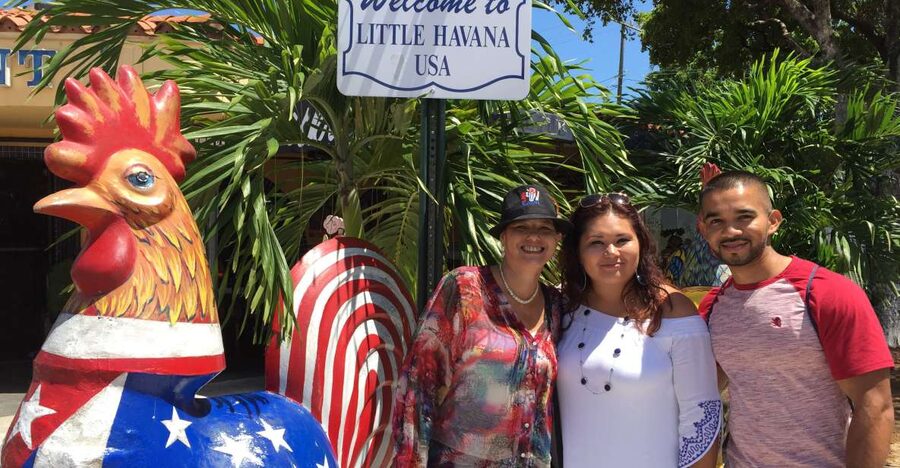
The tour meets in front of the Statue at the Bay of Pigs Monument. That’s a smart choice, because it gives you context before the group starts moving through the neighborhood. Instead of treating Little Havana like a themed walking route, you get a starting point for the migration and community formation that turned this area into a lasting hub for Cuban life in Miami.
Here’s what I like about this beginning: it frames everything you’ll see later—symbols, names on buildings, the emotional tone of the streets—so you can connect history to everyday culture. Even if you don’t know much about the Bay of Pigs, you’ll come away with enough to understand why certain places matter.
Practical note: this is an outdoors start. Bring comfortable shoes and dress for the day.
Riverside and the José Martí Memorial: history that shows up in the streets
From the monument area, your guide walks you past the José Martí Memorial as you learn about the Cuban migration story tied to Riverside in downtown Miami. This is one of those moments where the tour does more than point things out—it explains why the neighborhood developed the way it did.
If you like tours that help you interpret what you’re seeing, this section is a good match. You’ll likely find yourself looking at street names and landmarks differently. The takeaway is that Little Havana’s identity didn’t appear overnight. It was built by people who arrived, rebuilt routines, and kept traditions going in a new place.
Market stop energy: tropical fruit, old-school rhythms, and why it matters
Next up, you step into an old farmers’ market feel and see tropical fruit up close. This isn’t just a “pretty photos” break. It signals something important about immigrant food culture: the ingredients and habits traveled with people, then adapted and became part of local daily life.
You’ll notice how the guide connects the produce to the idea of home cooking and community sharing. It also makes the tour feel grounded in real Miami rather than only museum-style history.
If you have dietary restrictions, this is the moment to speak up early. The tour’s built around tastings, so a quick heads-up helps your guide tailor what you can enjoy.
Cuban bakery stop: guava pastelitos and ham croquetas
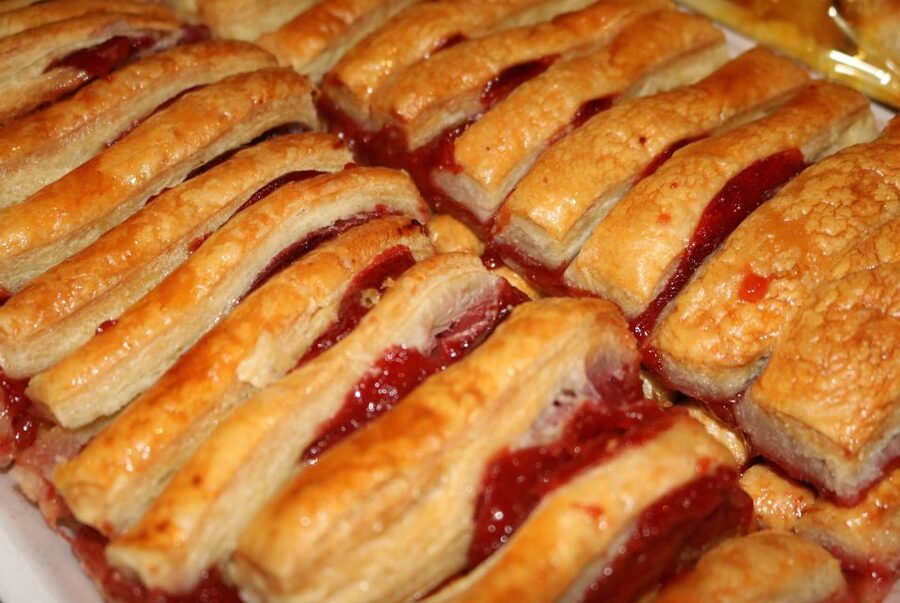
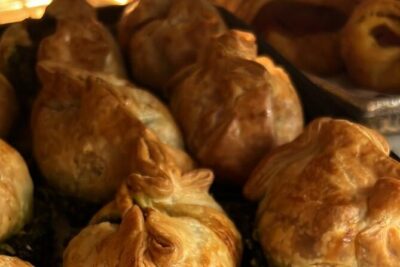
A highlight in the middle of the walking loop is stepping into a traditional Cuban bakery. You’ll taste flaky guava pastelitos and classic ham croquetas—two items that feel simple until you realize how much they represent. These are the kinds of snacks you can imagine grabbing for an everyday routine, not just for special occasions.
Why I think this stop works: it gives you a direct flavor “translation” of culture. You’re not just hearing about tradition. You’re tasting what tradition tastes like.
If you’re the type who usually skips snack tours, this bakery stop is still worth your time because it’s grounded and specific. It’s also a good reset before the craft and coffee portion.
Miami at street level, more walks


Hand-rolled cigars and guayabera style: craft and identity
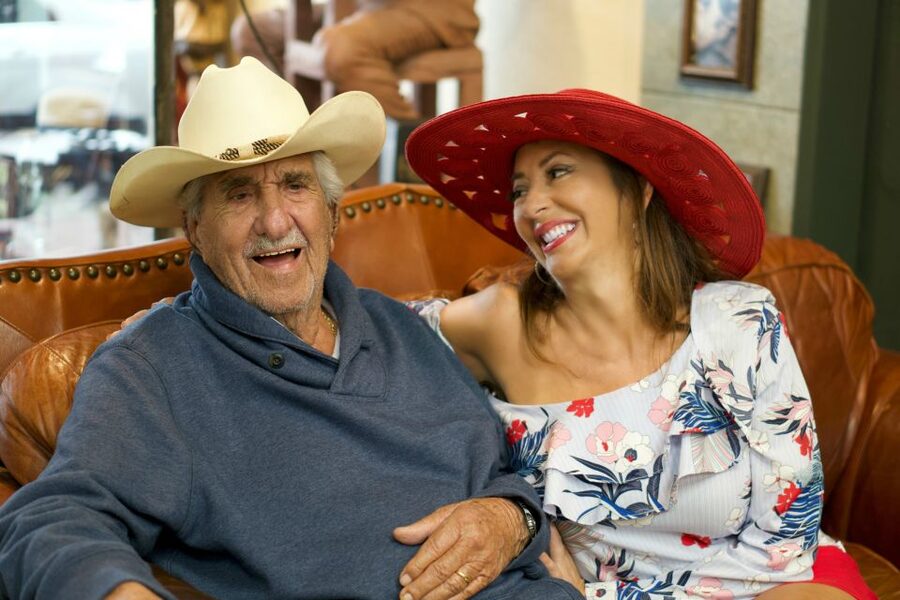
One of the most memorable segments is going behind the scenes at an authentic cigar factory, where you watch skilled artisans hand-roll tobacco leaves into cigars using old-world techniques. You’ll see the level of care that goes into making cigars, and you’ll hear how the practice connects to migration and community pride.
Right after, you visit a traditional guayabera shop. The iconic Cuban shirt isn’t treated like fashion trivia here. The guide explains the story of style and how it fits into culture and migration—why it looks the way it does, and why people wear it.
This pairing works well for you because it shows two sides of the same theme:
- Craft (cigars): work that becomes culture
- Style (guayaberas): identity you can wear
And in case you’re wondering, cigars and shirts are both easy to misunderstand if you only see them as souvenirs. Here, you get the reasons they matter.
Cuban coffee ritual, then the classic bites
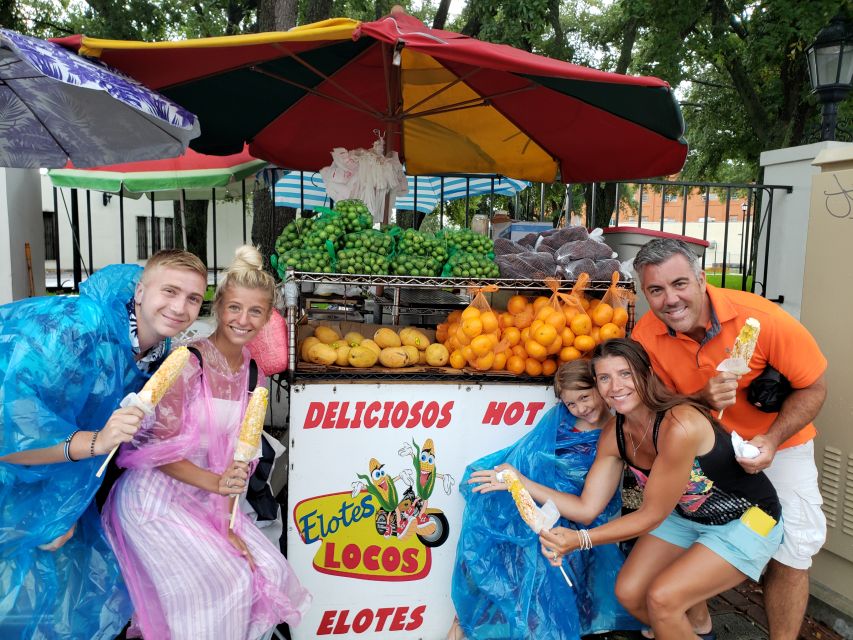
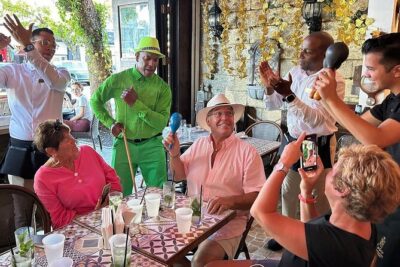
After the craft stops, you’ll pause for strong Cuban coffee, described as a true local ritual. Even if you don’t drink coffee, this stop helps you understand the pace and social rhythm people associate with getting together.
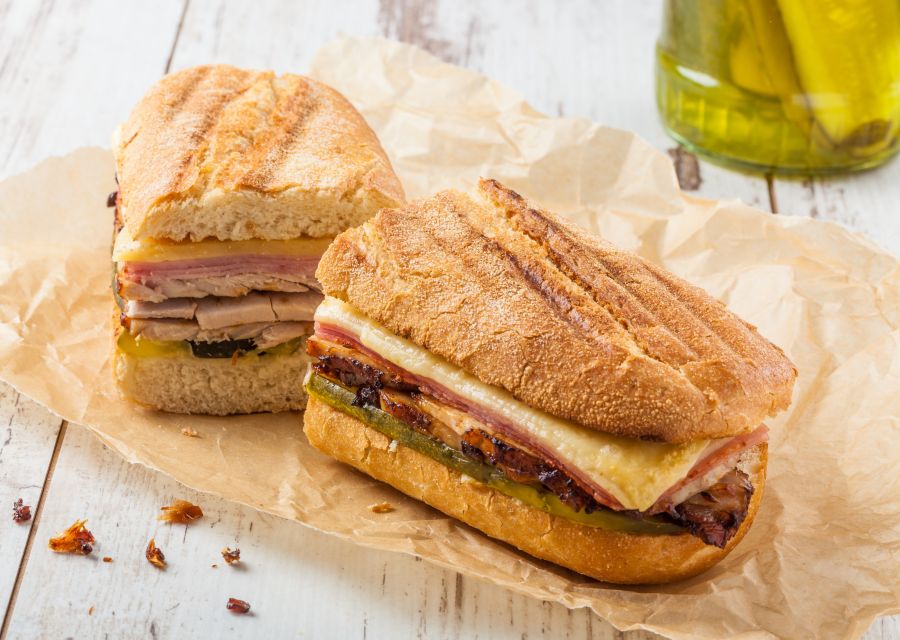
From there, the tour moves into classic Cuban flavors with a Cuban sandwich that’s perfectly pressed, plus mariquitas (crispy fried snacks) and Materva soda. This section is where the walking tour starts to feel like a meal in stages.
What makes it satisfying is the variety:
- savory comfort (sandwich)
- crispy contrast (mariquitas)
- a soda that tastes like a real Miami stop, not a generic soft drink
If you’re prone to getting “walk-snack-fatigued,” pace yourself here. Sip coffee, take your time between tastings, then enjoy the next section.
Lunch option reality check: what you get with or without the meal
Your experience includes coffee tasting and a guided walk, and there’s a Cuban lunch tied to the food option. The details in the info you provided also note that this specific option does not include lunch.
So, here’s the practical way to think about it:
- If you chose the lunch/food tour option, you should expect a traditional Cuban meal with ropa vieja (slow-cooked beef) and yuca frita.
- If you didn’t choose lunch, you’ll still get the guided tasting elements listed for the experience, but you may not sit down for that full plated meal.
Either way, there’s also a Secret Dish that’s revealed on the day of the tour. Since it’s not predetermined, you’ll want to treat it as part of the fun rather than something you can plan around.
Calle Ocho with stories, not just storefronts
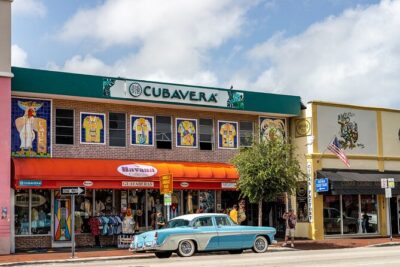
Once you head into Calle Ocho, you’re not only seeing the street—you’re hearing how the neighborhood changed from a quieter area into a global cultural landmark. The guide brings the evolution into the conversation, so the street feels like it has a timeline.
This is the part of the tour where you’ll likely understand why people come back to Little Havana again and again. The street isn’t one-dimensional. You’ll pick up on the layering: old traditions, newer Miami influences, and the way locals keep daily rhythms going.
If you’re short on time in Miami and you want the quick read that turns a “walk down a street” into something you’ll remember, Calle Ocho is where that happens.
Domino Park ending: the sound of locals, not a performance
The tour concludes at Domino Park, a well-known gathering spot where locals meet daily. You’ll be surrounded by the sound of domino tiles and lively conversation, which changes the mood from “tour mode” to something closer to real life.
This ending is valuable for you because it answers the question tours often avoid: what does the community do after the sights? Here, you see the social routine—people meeting, playing, talking. And because you’ve had the earlier history and food context, Domino Park doesn’t feel like a random finale. It feels like where the story continues.
If your group timing lands you there at a slower moment, you might still enjoy watching how people interact. This isn’t about structured entertainment. It’s about everyday culture.
Price and value: $40 for 2–3 hours worth your energy
At $40 per person for 2–3 hours, the value comes from what you’re paying for beyond “walking with a guide.” You’re getting:
- a guided route that starts at a major historical reference point (Bay of Pigs Monument)
- multiple food and drink tastings, including Cuban coffee
- craft access tied to hand-rolling cigars
- a cultural stop at a guayabera shop
- a finish at Domino Park where the community vibe is real
If you’re choosing between doing this on your own versus with a guide, the guide is the difference. Without one, you’ll see Calle Ocho. With one, you learn how the pieces connect: history, identity, food, and daily life.
One consideration: since it’s a walking tour, you’re paying for time on your feet as well as content. If you know you love culinary culture and cultural context, it’s a strong match.
Who this tour fits best (and who should rethink it)
This works especially well for you if:
- you like food plus story, not just tasting
- you want a guided look at Cuban influence across neighborhood life
- you’re curious about craft and identity, from cigar rolling to guayaberas
- you want to end somewhere locals gather, not only commercial sights
You might rethink it if:
- you hate walking in groups or want a very low-contact, short time slot
- you’re expecting a long sit-down restaurant lunch as the default (because lunch depends on the option)
- you’re looking for a purely visual “photos only” outing
Tips to enjoy it more (without overthinking)
- Wear comfortable shoes. It’s a street route with multiple stops.
- Bring weather-appropriate clothing. The tour runs in all weather, so adjust your layers.
- If you have food concerns, speak up early. This tour is built around tastings and a Secret Dish on the day.
- Pace yourself with coffee and snacks. Take breaks between stops and don’t feel rushed.
Should you book this Little Havana tour?
I’d book it if you want Little Havana to make sense fast. The combination of Bay of Pigs context, bakery treats like guava pastelitos and ham croquetas, real craft time with hand-rolled cigars, and a finish at Domino Park gives you more than a quick walk. It’s a guided cultural read that you can taste.
Choose the lunch option if you want that full Cuban home-cooking moment with ropa vieja and yuca frita. If you’re already eating elsewhere, you can still enjoy the core tour without the meal—just remember this specific option may not include lunch.
FAQ
Where is the tour meeting point?
Meet in front of the Statue at the Bay of Pigs Monument.
How long is the Little Havana walking tour?
It lasts about 2–3 hours.
Is the tour guided in English?
Yes, the live tour guide speaks English.
Does this option include lunch?
The information you provided says this option does not include lunch. A lunch option is available separately.
What’s included in the tour?
Included are the guide, the walking tour, coffee tasting, and Cuban lunch (for the lunch option).
What should I bring?
Bring comfortable shoes and weather-appropriate clothing, since tours operate in all weather conditions.
More Miami Trips We Have Reviewed
- Little Havana Food and Walking Tour in Miami
★ 5.0 · 8,882 reviews - Miami: Everglades National Park Airboat Tour & Wildlife Show
★ 4.5 · 7,296 reviews - Miami: Hop-on Hop-off Open-top Bus Tour and Optional Cruise
★ 4.1 · 3,077 reviews - 2 hrs Miami Private Boat Tour with Cooler, Ice, Bluetooth Stereo
★ 5.0 · 2,968 reviews - City Half Day Tour of Miami by Bus with Sightseeing Cruise
★ 3.5 · 2,747 reviews
More Tour Reviews in Miami
- Little Havana Food and Walking Tour in Miami
★ 5.0 · 8,882 reviews - From Miami: Everglades Airboat, Wildlife Show & Bus Transfer
★ 4.2 · 8,622 reviews - Miami: Biscayne Bay Millionaire’s Homes Sightseeing Cruise
★ 4.5 · 7,348 reviews - Miami: Everglades National Park Airboat Tour & Wildlife Show
★ 4.5 · 7,296 reviews - Miami: Hop-on Hop-off Open-top Bus Tour and Optional Cruise
★ 4.1 · 3,077 reviews
More of Calle Ocho
- Little Havana Food and Walking Tour in Miami
★ 5.0 · 8,882 reviews - Miami: Little Havana Food Walking Tour with Tastings
★ 4.9 · 1,181 reviews - Little Havana: Authentic Food and Culture Walking Tour
★ 5.0 · 679 reviews - Walking Food Tour of Little Havana with Cuban Dishes Tasting
★ 5.0 · 495 reviews - Little Havana Food Tour: Discover Iconic Cuban Cuisine in Miami
★ 5.0 · 308 reviews
Just Added: New Miami Reviews




Little Havana & Cuban Food Tours, compared.
 ★ 5.0Little Havana Food and Walking Tour in MiamiFrom $698,882 reviews
 ★ 4.9Little Havana Food Walking Tour with TastingsFrom $691,181 reviews
 ★ 5.0Little Havana: Authentic Food and Culture Walking TourFrom $69679 reviews
 ★ 5.0Walking Food Tour of Little Havana with Cuban Dishes Tasting495 reviews
 ★ 5.0Little Havana Food Tour: Discover Iconic Cuban Cuisine in MiamiFrom $69308 reviews
 ★ 5.0Little Havana Food and Culture Walking TourFrom $65297 reviews
 ★ 5.0Little Havana Like a Local: Food, Culture & Hidden GemsFrom $69252 reviews
 ★ 5.0Little Havana Small Group Walking TourFrom $62231 reviews
Browse the lists this tour appears in