
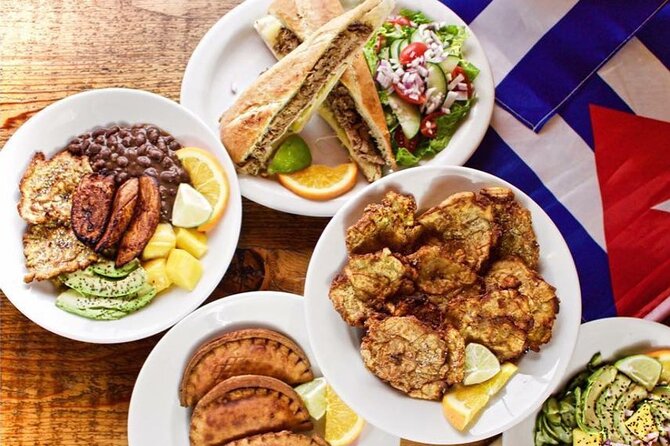
REVIEW · LITTLE HAVANA & CUBAN FOOD TOURS
Traditional Cuban Cooking Class in Miami
A Cuban cooking class in Miami sounds like fun. What makes it work is the hands-on format in a real home setting, where you learn by doing and then actually eat what you made. I love getting to cook from scratch with a chef guiding each step, and I love that the evening includes dinner and drinks so you’re not worried about where to go next. The one real drawback to plan around is that it’s an outdoor-style experience, so weather matters.
You’ll start the night at a private residence in Miami at 5:00 pm. Expect a small group (maximum 12), a relaxed family-style vibe, and a focus on classic Cuban flavors rather than touristy shortcuts.
The menu centers on a hands-on lesson plus a full meal. You’ll make an appetizer, ropa vieja (main), and dessert, and you’ll also learn how to mix your own mojitos, then you’ll get recipe copies to take home and repeat the feast.
In This Review
- Key things I’d pencil into your plans
- What makes this Miami Cuban cooking class feel real
- Your 5:00 pm start: what the evening flow looks like
- The hands-on appetizer lesson: learn Cuban basics the practical way
- Ropa vieja in the spotlight: the main dish that defines the meal
- Mojitos made by you: a cocktail lesson with real payoff
- Dessert and the full family-style meal
- Recipe copies you can actually use (not just keep)
- Price and value: does $155 make sense for Miami?
- Who this class is best for (and who might want something else)
- Practical tips before you go
- Should you book this Cuban cooking class in Miami?
- FAQ
- What time does the Cuban cooking class in Miami start?
- How long is the experience?
- What dishes will I learn to make?
- Is dinner included?
- What drinks are included?
- Do I get anything to take home?
- Is transportation included?
- How big is the group?
- What if the weather is bad?
Key things I’d pencil into your plans
- Hands-on Cuban cooking: you’ll actively prepare an appetizer, main course, and dessert
- Ropa vieja is the star: learn the main dish technique that defines the meal
- Mojito mixing lesson: you’ll make your own cocktail as part of the class flow
- Dinner and drinks included: alcohol, coffee or tea, and bottled water are part of the experience
- Small group, big attention: up to 12 people, so you’re not shouting across the kitchen
- Recipe copies to take home: you leave with a roadmap, not just a full stomach
More cafecito and croquetas along Calle Ocho
- Little Havana Food and Walking Tour in Miami
★ 5.0 · 8,882 reviews - Miami: Little Havana Food Walking Tour with Tastings
★ 4.9 · 1,181 reviews - Little Havana: Authentic Food and Culture Walking Tour
★ 5.0 · 679 reviews - Walking Food Tour of Little Havana with Cuban Dishes Tasting
★ 5.0 · 495 reviews
What makes this Miami Cuban cooking class feel real
This is the kind of class where the setting matters. You meet in a quaint private residence, not a big classroom kitchen. That does two things for your experience: the pace feels more relaxed, and the food feels closer to what you’d cook (and eat) at home.
The second thing I like is that it’s not only about the lesson. You’re fed. The experience includes dinner, coffee or tea, bottled water, and alcoholic beverages, which means you can treat this like your whole evening plan. You get the cooking skills, then you get the satisfaction of tasting everything you made.
There’s also a strong “do it together” energy. Even if your cooking skills are basic, the structure is clear: chef guidance, hands-on preparation, and time to eat. And with only up to 12 people, you’re less likely to feel lost while you’re waiting for tools or instructions.
One more practical note: it runs around 3 hours 30 minutes. That’s long enough to learn and eat without feeling rushed, but short enough that you can still do something afterward if you want.
Your 5:00 pm start: what the evening flow looks like
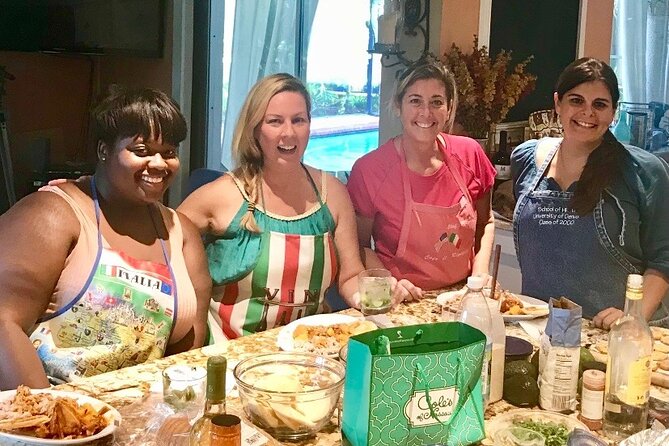
The evening begins at 5:00 pm in Miami, and it ends back at the meeting point. That matters more than it sounds. You don’t need to line up dinner reservations, rides, or a plan B if you’re tired after a day of sightseeing. You show up, get oriented, and the night moves from cooking to eating.
Because you’re cooking in a residential, outdoor-friendly setup, this is also the sort of activity that benefits from arriving with a calm mindset. In your head, think of it as a cooking dinner party with lessons—not a formal demo where you mostly watch.
And yes, drinks are part of it. Alcoholic beverages are included, and mojitos are built into the experience. So expect a bit of a social rhythm as you cook, mix, taste, and settle into dinner.
The hands-on appetizer lesson: learn Cuban basics the practical way
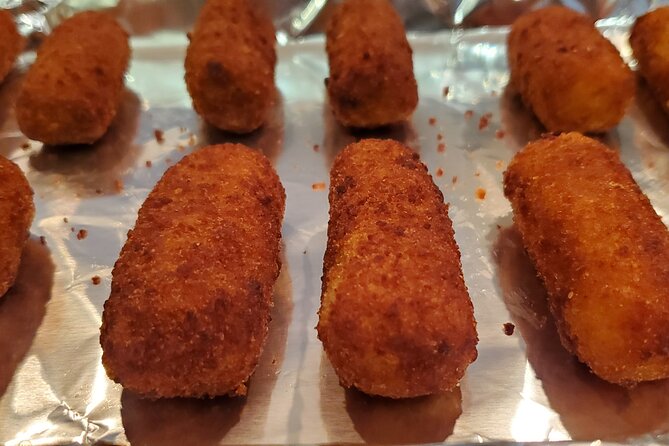
The class is built around making an appetizer, a main course, and a dessert. That structure is valuable because it forces you to learn techniques you can reuse later, instead of learning only one dish.
For the appetizer portion, you’re not just following a recipe card. You’re learning how the chef expects the dish to come together—what “done” looks like, how flavors balance, and how you manage timing while multiple things are happening.
Even if the specific appetizer changes, the format stays consistent: you’ll prep and assemble as you go, and you’ll have other sample appetizers and libations available during the evening. That’s a smart approach for beginners. It keeps your plate from feeling empty while the main and dessert are underway.
Potential drawback: because it’s hands-on, you’ll want to arrive ready to cook a little. If you’re looking for a purely watch-and-snack experience, this may feel more active than you expect.
Ropa vieja in the spotlight: the main dish that defines the meal
The main course is ropa vieja, and that choice is telling. Ropa vieja isn’t one of those “one-step” dishes. It’s about building flavor and texture in a way that tastes deeply Cuban without needing fancy equipment.
In class, you’ll learn the process from start to finish as part of the hands-on lesson. That means you’re not only tasting it—you’re also learning how the dish works, which is exactly what you want if you ever plan to cook Cuban food again at home.
Value check: ropa vieja can feel intimidating if you only ever buy it. Here, you get the chef’s guidance and the confidence that comes from making it yourself. When you’re eating, you’ll also understand why each component matters: the savory base, the meat handling, and how the final flavors tie together.
And because there’s a full dinner planned, you’ll likely see other classic sides or supporting dishes. In the overall menu, you may find Cuban favorites like beans and rice and dishes such as stuffed plantains, alongside the main and dessert.


Mojitos made by you: a cocktail lesson with real payoff
One of the most fun parts here is that the chef doesn’t treat mojitos as a separate “bonus.” You learn how to make your very own mojitos as part of the experience.
This is a great skill to leave with because mojitos aren’t hard to make once you know what to adjust. The key is technique and balance. In a cooking class setting, you get both: someone explains what matters, then you do it yourself.
If you enjoy cocktails, you’ll appreciate that the evening isn’t only about food. If you don’t, it’s still a nice change of pace. It turns the night into a “food and drink” experience without feeling like you’re just there to drink.
You’ll also have additional drinks available during the evening, since alcoholic beverages are included.
Dessert and the full family-style meal
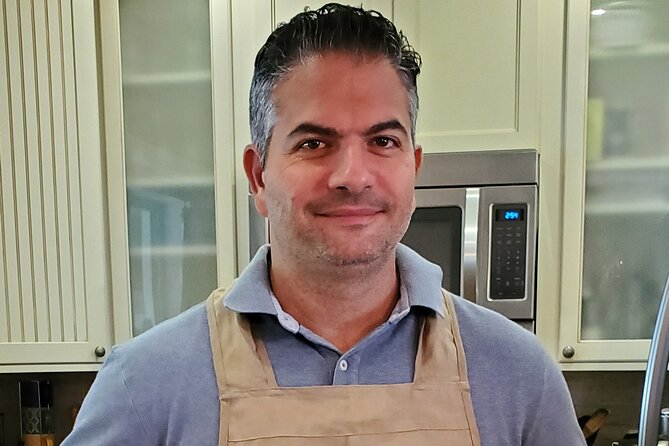
You’ll also cover dessert as part of the hands-on portion. Cuban dessert can be a perfect way to end a meal because it’s usually sweet, spiced, and satisfying rather than overly heavy.
On the broader dinner table, you may see classic sweets like flan and pastelitas. The point isn’t just to have dessert at the end—it’s to see how desserts fit into the rhythm of the meal, especially after a savory main like ropa vieja.
One detail I think makes a big difference: beyond the items you cook during the lesson, you’ll also enjoy a family-style meal with other traditional foods prepared in advance. That keeps the evening flowing smoothly. You’re not standing around hungry while one thing finishes in the kitchen.
Recipe copies you can actually use (not just keep)
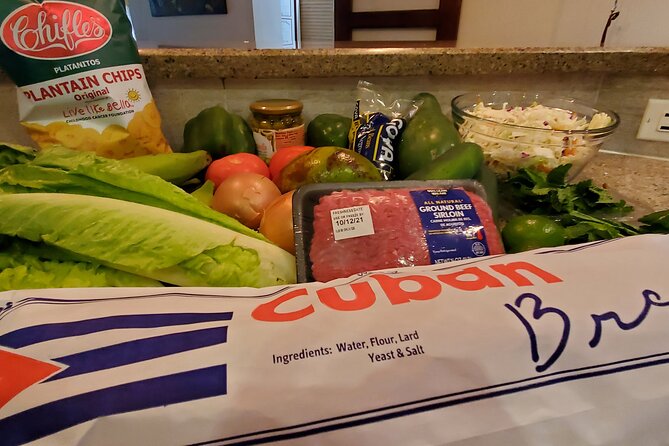
You’ll get a copy of the recipes to take home. That’s a big deal for value. A cooking class is more than a fun night; it’s a chance to bring skills back to your own kitchen.
If you’ve ever taken a class and then lost the recipe cards, this format helps. You’re leaving with a plan for recreating the meal, including the dishes you made during the hands-on lesson.
In other words, you’re not just paying for dinner that day. You’re investing in the ability to host a Cuban-style feast later.
Price and value: does $155 make sense for Miami?
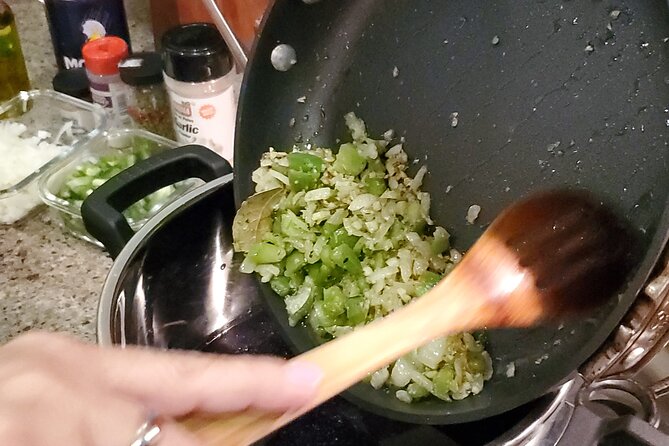
At $155 per person for about 3 hours 30 minutes, this isn’t a bargain-basement activity. But it can be good value depending on what you’re comparing it to.
Here’s the math in plain terms:
- You’re paying for a hands-on chef-led cooking experience (not a self-guided tasting).
- Dinner is included, along with alcoholic beverages, plus coffee or tea and bottled water.
- You also take home recipe copies, which adds long-term value.
If you would normally spend that much (or more) on a sit-down Cuban dinner plus cocktails—especially in Miami—then this starts to look like a fair deal because you’re getting both instruction and the meal.
If you’re the type who wants only a quick bite and doesn’t drink alcohol or care about cooking skills, you may feel the price more sharply. The experience is best for people who want to learn and eat.
Who this class is best for (and who might want something else)
This is a strong fit if you like:
- learning a specific set of Cuban dishes you can repeat later (especially ropa vieja)
- interactive experiences where you’re not stuck watching
- a fun date-night or group dinner plan with drinks included
- a small group where the chef’s attention actually matters
It also works well for celebrations. One family-sized night is the kind of occasion where Cuban home cooking feels meaningful, not just fun.
If you’re someone who dislikes hands-on cooking or you’re cooking-averse, you might prefer a food tour or tasting focused on sampling rather than preparing.
Practical tips before you go
A few things will help you get the best experience without overthinking it:
- Arrive at the start time (5:00 pm) so you can ease into the flow instead of feeling behind.
- Wear something comfortable for standing and cooking. You’ll be actively working.
- Bring your appetite. The evening is designed as a full meal, not a light snack.
- Expect the experience to depend on good weather since it’s set in an outdoor-friendly residence setting.
If it’s not ideal weather, you won’t be left hanging. The experience can be offered on a different date or refunded if canceled due to poor weather.
Should you book this Cuban cooking class in Miami?
I’d book it if you want a dinner that teaches you something real. The combination of hands-on Cuban cooking, a mojito lesson, and a full included meal makes it easy to justify, especially at a price that includes food and drinks.
I’d skip it if you only want a casual taste with minimal cooking, or if the outdoor setting and weather dependence would stress you out.
If you’re trying to pick one Miami food experience that’s both fun and useful, this is the type of class that leaves you with recipes, confidence, and a new set of dishes you’ll actually cook again.
FAQ
What time does the Cuban cooking class in Miami start?
It starts at 5:00 pm.
How long is the experience?
The duration is approximately 3 hours 30 minutes.
What dishes will I learn to make?
You’ll learn to make an appetizer, a main course of ropa vieja, and a dessert. You’ll also learn to make mojitos.
Is dinner included?
Yes. Dinner is included, and the meal is family-style, with other traditional foods prepared in advance.
What drinks are included?
Alcoholic beverages are included, and you’ll also make mojitos during the class. Coffee and/or tea are included as well.
Do I get anything to take home?
Yes. You’ll receive copies of the recipes so you can recreate the meal later.
Is transportation included?
No. Private transportation is not included.
How big is the group?
The maximum group size is 12 travelers.
What if the weather is bad?
The experience requires good weather. If it’s canceled due to poor weather, you’ll be offered a different date or a full refund.
More Tour Reviews in Miami
- Little Havana Food and Walking Tour in Miami
★ 5.0 · 8,882 reviews - From Miami: Everglades Airboat, Wildlife Show & Bus Transfer
★ 4.2 · 8,622 reviews - Miami: Biscayne Bay Millionaire’s Homes Sightseeing Cruise
★ 4.5 · 7,348 reviews - Miami: Everglades National Park Airboat Tour & Wildlife Show
★ 4.5 · 7,296 reviews - Miami: Hop-on Hop-off Open-top Bus Tour and Optional Cruise
★ 4.1 · 3,077 reviews
More of Calle Ocho
- Little Havana Food and Walking Tour in Miami
★ 5.0 · 8,882 reviews - Miami: Little Havana Food Walking Tour with Tastings
★ 4.9 · 1,181 reviews - Little Havana: Authentic Food and Culture Walking Tour
★ 5.0 · 679 reviews - Walking Food Tour of Little Havana with Cuban Dishes Tasting
★ 5.0 · 495 reviews - Little Havana Food Tour: Discover Iconic Cuban Cuisine in Miami
★ 5.0 · 308 reviews
Just Added: New Miami Reviews



Little Havana & Cuban Food Tours, compared.
 ★ 5.0Little Havana Food and Walking Tour in MiamiFrom $698,882 reviews
 ★ 4.9Little Havana Food Walking Tour with TastingsFrom $691,181 reviews
 ★ 5.0Little Havana: Authentic Food and Culture Walking TourFrom $69679 reviews
 ★ 5.0Walking Food Tour of Little Havana with Cuban Dishes Tasting495 reviews
 ★ 5.0Little Havana Food Tour: Discover Iconic Cuban Cuisine in MiamiFrom $69308 reviews
 ★ 5.0Little Havana Food and Culture Walking TourFrom $65297 reviews
 ★ 5.0Little Havana Like a Local: Food, Culture & Hidden GemsFrom $69252 reviews
 ★ 5.0Little Havana Small Group Walking TourFrom $62231 reviews
Browse the lists this tour appears in