

REVIEW · SELF-GUIDED TOURS
Miami Audioguide – TravelMate app for your smartphone
Your phone turns Miami into a personal tour. The TravelMate Miami Audioguide is built for real autonomy: you start whenever you want, replay as often as you like, and even read the text inside the app. What I like most is the no-ticket setup plus the option to listen online or offline, so the guide keeps working when signal gets moody.
You also get professionally made audio content, interpreted by TV and radio professionals, with a quiz section to help the city stick in your head. The one drawback to plan for is that it’s fully self-guided, so you need your phone charged and your headset ready to actually enjoy it.
In This Review
- Key highlights worth your time
- Miami in Your Pocket: Starting Immediately, Without Paper Tickets
- Price and Value: Why $9 Can Actually Stretch for Days
- Online or Offline Listening: Building Your Own Miami Route
- The 32 Audio Chapters at 26 Named Miami Stops
- Miami Introduction
- The Wonders of local cuisine
- Ancient Spanish Monastery
- Bass Museum
- Bill Baggs Park
- Calle Ocho
- Deering Estate
- Delano Hotel
- Espanola Way
- Everglades
- Florida Keys
- Fontainebleau Hotel
- Holocaust Memorial
- Jungle Islands
- Lincoln Road
- Lummus Park
- Miami Dade Cultural Center
- Ocean Drive
- Oleta River State Park
- Perez Art Museum
- Seaquarium
- South Pointe Park
- Venetian Pool
- Villa Vizcaya
- Wolfsonian Museum
- Wynwood Walls
- The Quiz Section and Read-Back Text: Learning Without a Class
- Who Should Choose This Audioguide, and Who Might Not
- Should You Book the Miami Audioguide on TravelMate?
- FAQ
- How much does the Miami Audioguide cost?
- How long is the audioguide valid?
- Is there a meeting point for this activity?
- Do I need paper tickets to use the guide?
- How many audio contents are included?
- Can I listen online and offline?
- What languages are available?
- Can I read the audio content text in the app?
- Is there anything interactive in the app?
- Is the activity wheelchair accessible?
Key highlights worth your time

- No paper tickets or meeting point: download and start straight away wherever you are.
- 32 audio pieces totaling 100 minutes: enough content for a long walk, a multi-day dip-in, or a quick highlight loop.
- Works online or offline: download-friendly for days when data is unreliable.
- Read-along text in the app: if audio is hard while walking, you can switch to text.
- Replay for 1095 days from first activation: long validity, no expiration pressure.
- Quiz section for quick learning: short questions that turn listening into mini practice.
Before you lock in this Miami trip, weigh these up too:
- Self-Guided Audio Tour in Florida Keys
★ 4.5 · 84 reviews - Everglades National Park: Self Guided Driving Audio Tour
★ 4.5 · 58 reviews - Self-Guided Audio Tour – Little Havana
★ 3.0 · 9 reviews - Fun Miami Beach Slingshot Adventure Self-Guided Tour
★ 3.0 · 8 reviews
Miami in Your Pocket: Starting Immediately, Without Paper Tickets

This is the kind of tour that fits how people actually travel now. There’s no physical pass to pick up, no meeting point to chase, and no moment where you’re stuck waiting for a staff member. You download the TRAVELMATE app from the Play Store or App Store, enter your activation code, and start your Miami experience on the spot.
That matters because Miami days often go in layers. One hour you’re beachy, the next hour you’re in an art mood, and later you’re hunting for food. With this format, you’re not locked into a rigid route. You can jump into the audio when you reach a stop, then pause, restart, and pick up again later.
I also like that the smartphone is yours. You’re not borrowing a stranger’s device, or sharing buttons and touchscreens. If you’re sensitive about that kind of thing, this is a big practical win.
One more small but real benefit: earphones are recommended. It’s the difference between catching every detail and fighting street noise while you listen.
Price and Value: Why $9 Can Actually Stretch for Days
The price is straightforward: $9 per person. The value is less about the number and more about what you get for that money.
Here’s the basic math: the audio totals 100 minutes across 32 audio content pieces. If you listen to everything in one go, you’re basically paying for about an hour and forty minutes of guided storytelling. But the best part is you don’t have to do it in one sitting.
The guide is valid for 1095 days (about three years) from your first activation, and you can replay the audio “as many times as you want” without it expiring. That turns the $9 into something closer to a long-term travel tool than a one-and-done ticket.
So for me, this is a good buy if:
- you plan to return to Miami (or explore multiple neighborhoods across several trips)
- you like to control pacing and stop length
- you want a guide that works whether you have one day or three
It’s also wheelchair accessible, which means the audio format can be a strong option for people who prefer listening rather than depending on a group schedule.
Online or Offline Listening: Building Your Own Miami Route

The app is designed to let you listen online or offline, which is a huge deal in a city where signal can vary block to block. If you plan ahead and download audio for later, you can keep going without worrying that your guide will quit the moment you walk a little farther.
Another detail I appreciate: you can also read the text of the audio files in the app. That’s useful if you’re:
- in a spot where audio is hard (wind, noisy areas, shared rides)
- taking a slower moment and want to skim key points
Audio plus text gives you flexibility. You don’t have to be “always on” with sound.
How to think about timing: treat this as a set of short guided chapters, not one continuous documentary. You can do one stop, then another, and stop when you’re done for the day. If you’re pairing it with actual entry tickets to museums or attractions, the audio works like context—useful before you arrive, or as a reflective wrap-up afterward.
And because there’s no meeting point, you don’t have to worry about showing up late. You can start wherever you want, then let the city decide your next move.
The 32 Audio Chapters at 26 Named Miami Stops

The guide includes 32 audio pieces total, and it covers the named highlights below. Some places may be split into multiple segments inside the 32-piece total, so don’t be surprised if you see more than one chapter tied to a similar theme.
What the app is promising across these stops is consistent: you’ll get history, points of interest, and curiosities—the kind of context that makes streets and landmarks feel less random.
For each stop, the main “how to use it” tip is simple: pause, put both feet under you when possible, and listen fully at least once. If you speed through while walking, you might miss the details that make the audio worth your money.





Miami Introduction
This is your orientation chapter. Think of it as the “how to read the city” starting point, so later stops make more sense. The drawback is also predictable: if you skip the intro, you may still enjoy the sights, but the connections between neighborhoods could feel less clear.
The Wonders of local cuisine
This one helps you connect Miami eating culture to what you’re seeing around you. It’s especially useful if you don’t want to plan every meal in advance. The catch: it can also make you hungry, which can slow your route if you don’t balance listening time with practical breaks.
Ancient Spanish Monastery
Use this chapter to understand what you’re looking at and why it fits into Miami’s bigger story. Museums and heritage sites often reward a slower pace, so try not to treat it as a quick stop you rush through. If you’re time-crunched, you might want to listen to the main audio once and save any text reading for later.
Bass Museum
This is an art-focused stop in the lineup. The audio can help you frame the visit so you know what to pay attention to while you’re there. The drawback: if you’re expecting a guided walkthrough of every artwork, this is still an audio guide that provides context, not a full live curator.
Bill Baggs Park
This chapter is for people who want a break from city-center sightseeing. Outdoors-focused stops tend to go best when you can pause long enough to listen carefully. If you’re using it while moving nonstop, audio details may blur together.
Calle Ocho
This is a culture and street-life style stop. You’ll get stories and curiosities tied to the area, which can make the neighborhood feel legible rather than just scenic. The consideration: street areas can be harder for audio, so keep your volume comfortable and watch for distractions.
Deering Estate
This chapter likely helps you connect place and time, so your experience feels more meaningful than just photos. Heritage locations often reward patience, since it’s easier to absorb stories when you can stand still. If you plan to do it in a hurry, you may miss the nuance the audio is aiming for.
Delano Hotel
This stop includes a hotel landmark in the mix, so the audio is a chance to understand how this kind of place fits into Miami’s identity. A drawback is that hotel-area listening can feel a bit more “in passing,” so it helps to slow down for the audio segment. If you’re only stopping outside, pick a spot where you can hear without interruptions.
Espanola Way
This is another stop that works well as a “stories behind the scenes” chapter. You’ll get context that can turn a promenade into something you can actually read. The only consideration: if your day is packed, this is easy to treat like a photo stop—listen first, then take pictures.
Everglades
This is one of the bigger “context” stops in the guide. The audio format helps you get background before you’re surrounded by a natural area’s scale and details. The drawback is that nature chapters tend to work best when you’re not rushing—when you move fast, the audio can’t land.
Florida Keys
Another location-chapter that benefits from thinking of it as a pre-visit setup, even if you only see parts of the theme during your trip. It’s good for people who want the story behind the setting, not just the viewpoint. If you’re short on time, you may want to listen to the highlights version and skip the text reading until later.
Fontainebleau Hotel
This hotel stop adds another architectural and cultural landmark to your listening route. It’s useful if you like understanding how Miami’s glamour and history intersect. The consideration: like other hotel-area stops, you may need to find a calm spot to listen fully.
Holocaust Memorial
This chapter is likely designed to provide serious historical context through audio narration. These stops are best handled with respect for the pace—turn the audio on, listen through once, and don’t multitask during it. The drawback is emotional weight: you may need a moment afterward to reset before continuing your day.
Jungle Islands
This is in the mix as an animal or nature-adjacent highlight chapter. The audio helps you connect the location to what you might notice or learn during a visit. If you’re not visiting the site itself and just passing by, you might find the chapter works better as background than as a full experience.
Lincoln Road
This is a walk-around kind of stop in the audio guide. Listening while walking can be great if you keep it simple: headphones, one direction, and time enough to absorb what the chapter says. The drawback: if you listen while navigating crowds or busy streets, the details can get lost.
Lummus Park
This chapter pairs well with a coastal or park break. The audio can add meaning to what might otherwise feel like a scenic pause. The consideration: outdoors listening can be harder when there’s wind or lots of noise, so headphones help a lot.
Miami Dade Cultural Center
This is a cultural institution-style stop, and the audio can help you understand what makes the area significant. It’s also a good chapter to listen to before you decide which indoor parts (if any) to spend time on. If you’re only taking quick looks, you may feel the chapter moves slower than your pace.
Ocean Drive
This is the kind of street stop where stories matter. The audio gives you curiosities and points of interest so you see more than the obvious. The drawback: streets like this can tempt you into constant motion, so stop for the audio at least once.
Oleta River State Park
This chapter is another “get out and breathe” stop. Listening here is a nice match for quiet time, since you can actually focus on the narration. If you’re rushing through, the audio loses some of what makes it work.
Perez Art Museum
This museum stop adds an arts-and-culture anchor to your route. Use the audio to frame your visit so you know what themes to look for. If you’re short on time, choose the chapter part you care about most and read the text afterward to catch what you missed.
Seaquarium
This is a nature/animals style stop in the list. The audio format should help you connect the venue to what you’ll notice or learn during a visit. The drawback: if you prefer your guide purely from outside view, the chapter might feel more useful if you actually enter.
South Pointe Park
This chapter works well as a relaxing endpoint to a day of walking. The audio can turn a simple view into a story-driven pause. The consideration: park time often turns into “one more photo,” so plan a little extra time so you can finish the listening.
Venetian Pool
This is a distinctive “place” chapter. Listening here helps you understand the setting and its context rather than just admiring it. The drawback: it’s easy to stop briefly and move on—try to complete the full audio segment if you can.
Villa Vizcaya
A classic landmark-style stop. The audio should give you the background that makes architecture and grounds feel more connected. If you’re doing multiple attractions back-to-back, this one is better with calm pacing, so the story actually sticks.
Wolfsonian Museum
This chapter is museum-focused, so it’s a good match for people who like art, design, and themes. The text-in-app option can be helpful here if you want to skim key points between exhibit areas. The consideration: museums can take time, and the audio is timed content—if you run out of time, you may not finish the chapter.
Wynwood Walls
This is a street-art themed stop in the guide’s lineup. The audio can explain curiosities and context that make murals feel less random. The drawback: walls areas encourage quick photo stops, so resist multitasking—listen first, then look.
The Quiz Section and Read-Back Text: Learning Without a Class

One of the smartest touches here is the quiz section. It’s built as short questions about the city, turning listening into quick recall. It’s not a big test, just a way to check if you were paying attention—and it helps the stops stick when you’re later planning where to go again.
And the text feature is more than a gimmick. If you hit a segment where audio is hard to follow—maybe you’re tired, maybe it’s noisy—you can switch to reading the audio file text in the app. You get the same chapter content in two formats.
This pair (audio + text + quiz) is especially good if you like to learn on the move, but you don’t want learning to feel like homework.
Who Should Choose This Audioguide, and Who Might Not

I’d pick this Miami Audioguide if you want a low-stress, flexible guide that you can reuse for years. It’s also a strong match if you travel with your own phone setup and prefer not to share devices.
It’s also for people who like structured listening but hate rigid schedules. There’s no meeting point and no paper tickets to manage, so you can fit chapters around real life—food lines, long walks, and last-minute detours.
I’d be more careful if you dislike self-guided experiences. Since it’s audio-only, you won’t have a live person adjusting to your questions in real time. You’ll also want to keep your phone powered, since the whole system depends on you having the app ready.
Should You Book the Miami Audioguide on TravelMate?

Book it if you want value that lasts. For $9, you get 32 audio chapters (100 minutes total), offline-capable listening, optional read-along text, and a quiz section—with 1095 days of validity. It’s an easy add-on for a first visit, and a smart way to get more out of repeat trips.
Skip it if you want a live guide or a guided walking route with on-the-ground directions. Also pass if you know you’ll hate wearing earphones or you rarely keep your phone charged.
If your style is flexible and you like learning while you wander, this app-based Miami guide is a practical win. You pay once, and you keep the city on tap.
FAQ

How much does the Miami Audioguide cost?
It costs $9 per person.
How long is the audioguide valid?
It is valid for 1095 days from the first activation.
Is there a meeting point for this activity?
No. There is no meeting point. You download the app and start your experience wherever you prefer.
Do I need paper tickets to use the guide?
No paper tickets are required. You use the app, with an activation code found in your email (or in the GetYourGuide app).
How many audio contents are included?
The guide includes 32 audio contents, totaling 100 minutes.
Can I listen online and offline?
Yes. You can listen to the audio guide online or offline.
What languages are available?
Italian, English, Spanish, German, Russian, Chinese, and French.
Can I read the audio content text in the app?
Yes. You may read the text of the audio files in the app.
Is there anything interactive in the app?
Yes. There is a quiz section with short questions about the city.
Is the activity wheelchair accessible?
Yes, it is listed as wheelchair accessible.
More Self-Guided Tours in Miami
- Self-Guided Audio Tour in Florida Keys
★ 4.5 · 84 reviews - Everglades National Park: Self Guided Driving Audio Tour
★ 4.5 · 58 reviews - Self-Guided Audio Tour – Little Havana
★ 3.0 · 9 reviews - Fun Miami Beach Slingshot Adventure Self-Guided Tour
★ 3.0 · 8 reviews - Self-Guided Audio Tour – Miami Art Deco
★ 3.0 · 7 reviews
More Tour Reviews in Miami
- Little Havana Food and Walking Tour in Miami
★ 5.0 · 8,882 reviews - From Miami: Everglades Airboat, Wildlife Show & Bus Transfer
★ 4.2 · 8,622 reviews - Miami: Biscayne Bay Millionaire’s Homes Sightseeing Cruise
★ 4.5 · 7,348 reviews - Miami: Everglades National Park Airboat Tour & Wildlife Show
★ 4.5 · 7,296 reviews - Miami: Hop-on Hop-off Open-top Bus Tour and Optional Cruise
★ 4.1 · 3,077 reviews
Just Added: New Miami Reviews




Self-Guided Tours, compared.
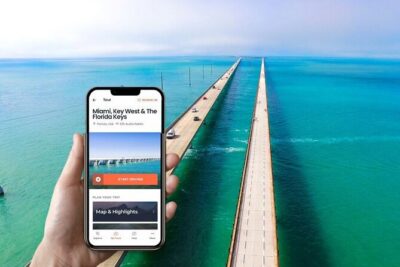 ★ 4.5Self-Guided Audio Tour in Florida KeysFrom $1684 reviews
 ★ 4.5Everglades National Park: Self Guided Driving Audio TourFrom $1658 reviews
 ★ 3.0Self-Guided Audio Tour – Little HavanaFrom $109 reviews
 ★ 3.0Fun Miami Beach Slingshot Adventure Self-Guided TourFrom $3008 reviews
 ★ 3.0Self-Guided Audio Tour – Miami Art DecoFrom $117 reviews
 ★ 4.0Big Cypress National Preserve Self Guided Driving Audio TourFrom $166 reviews
 ★ 5.0Miami Beach Smartphone Audio Walking TourFrom $106 reviews
 ★ 4.5Miami Beaches Self-Guided Driving Audio TourFrom $143 reviews
Browse the lists this tour appears in